
Olympic Games Global Licensing Identity System
A cross‑industry brand governance architecture for 226 licensees
A global identity system engineered to maintain brand integrity across 226 licensees, thousands of SKUs, and multiple manufacturing industries. This project established the foundation for my modern brand‑systems practice.

-
The 1996 Olympic Games required a brand system capable of unifying 226 licensees and thousands of SKUs across apparel, publishing, collectibles, and consumer goods. Our role was to architect the licensing identity framework that made this possible.
Working with the leadership of the Summer Games in Atlanta, Georgia — including direct collaboration with VP of Marketing Holly Robbinson and the office of the President — we built a cross‑industry system that translated brand standards into manufacturing realities: color tolerances, substrate variability, production constraints, and global approval cycles. This was design as operational infrastructure, ensuring consistency across every product and partner.
The result was a scalable governance model that maintained brand integrity at unprecedented scale. It became the foundation of our modern brand‑systems practice and an early expression of the Big Concepts philosophy: identity as a system, not a surface.
-
The 1996 Olympic Games presented a level of complexity rarely seen in brand deployment. With 226 licensees producing thousands of SKUs across apparel, publishing, collectibles, and consumer goods, the risk of fragmentation was significant. Manufacturing variability, color drift, substrate differences, and inconsistent production timelines created conditions where the identity could easily fracture. Our challenge was to maintain brand integrity across a global, decentralized ecosystem operating at extreme scale.
-
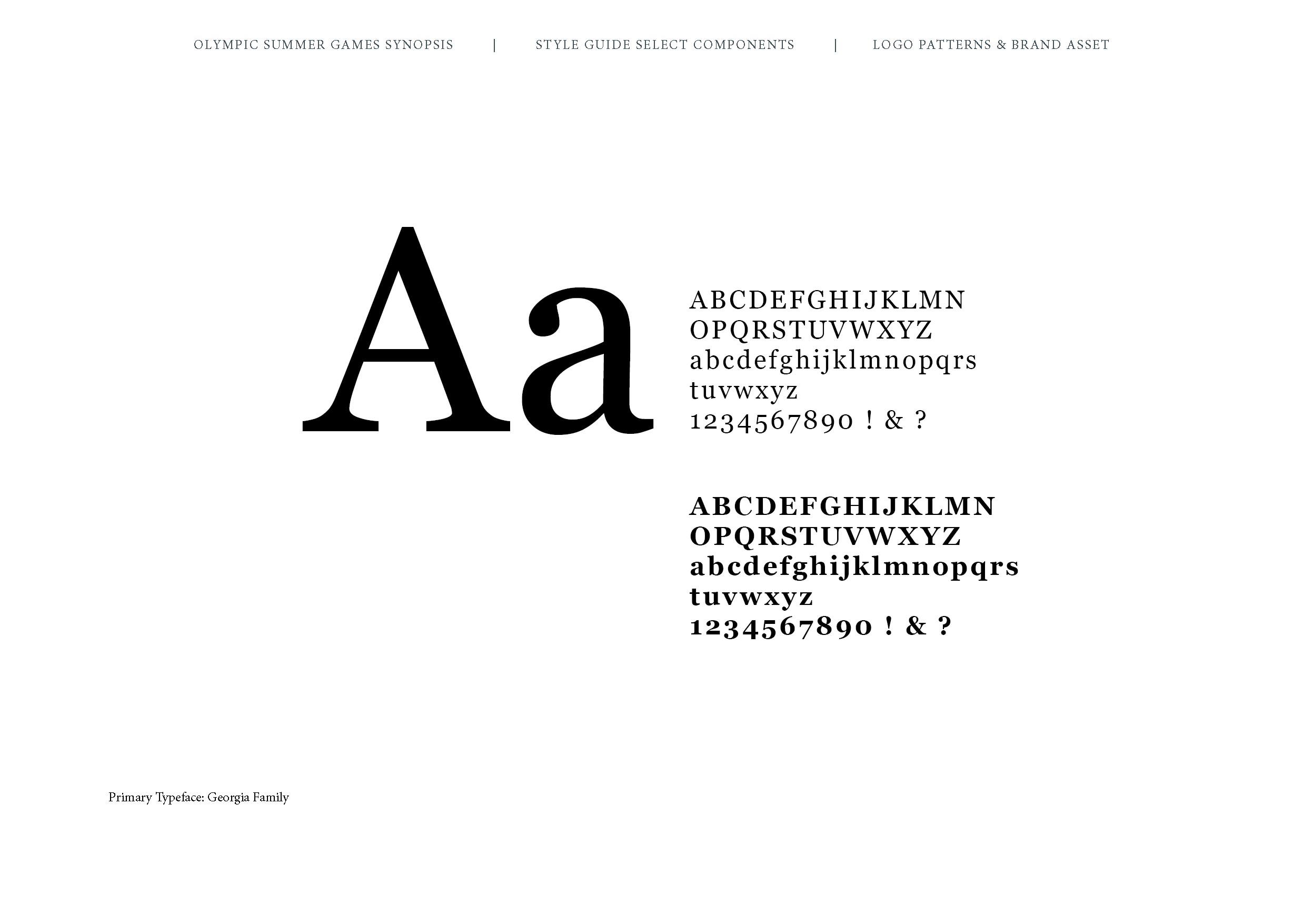
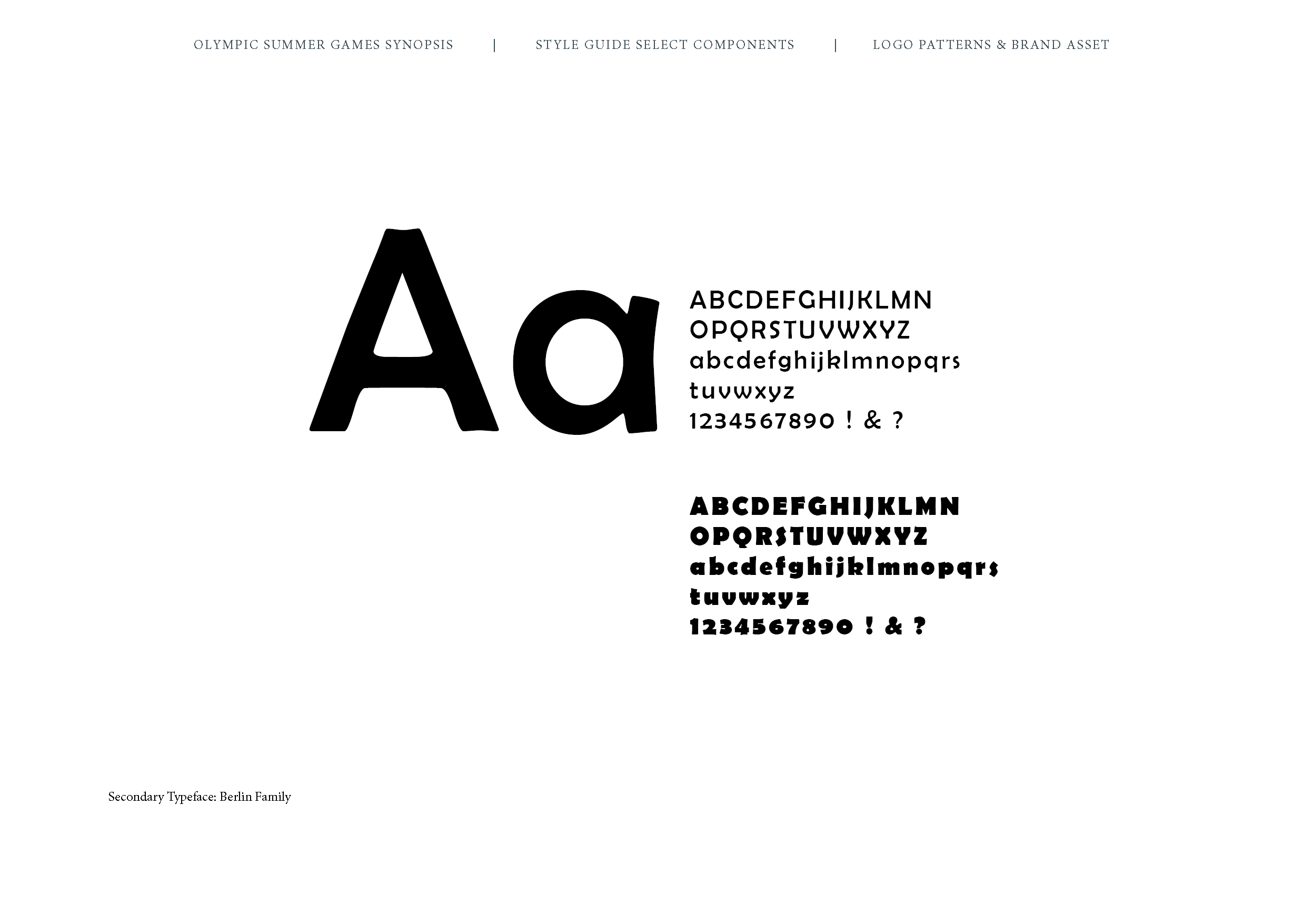
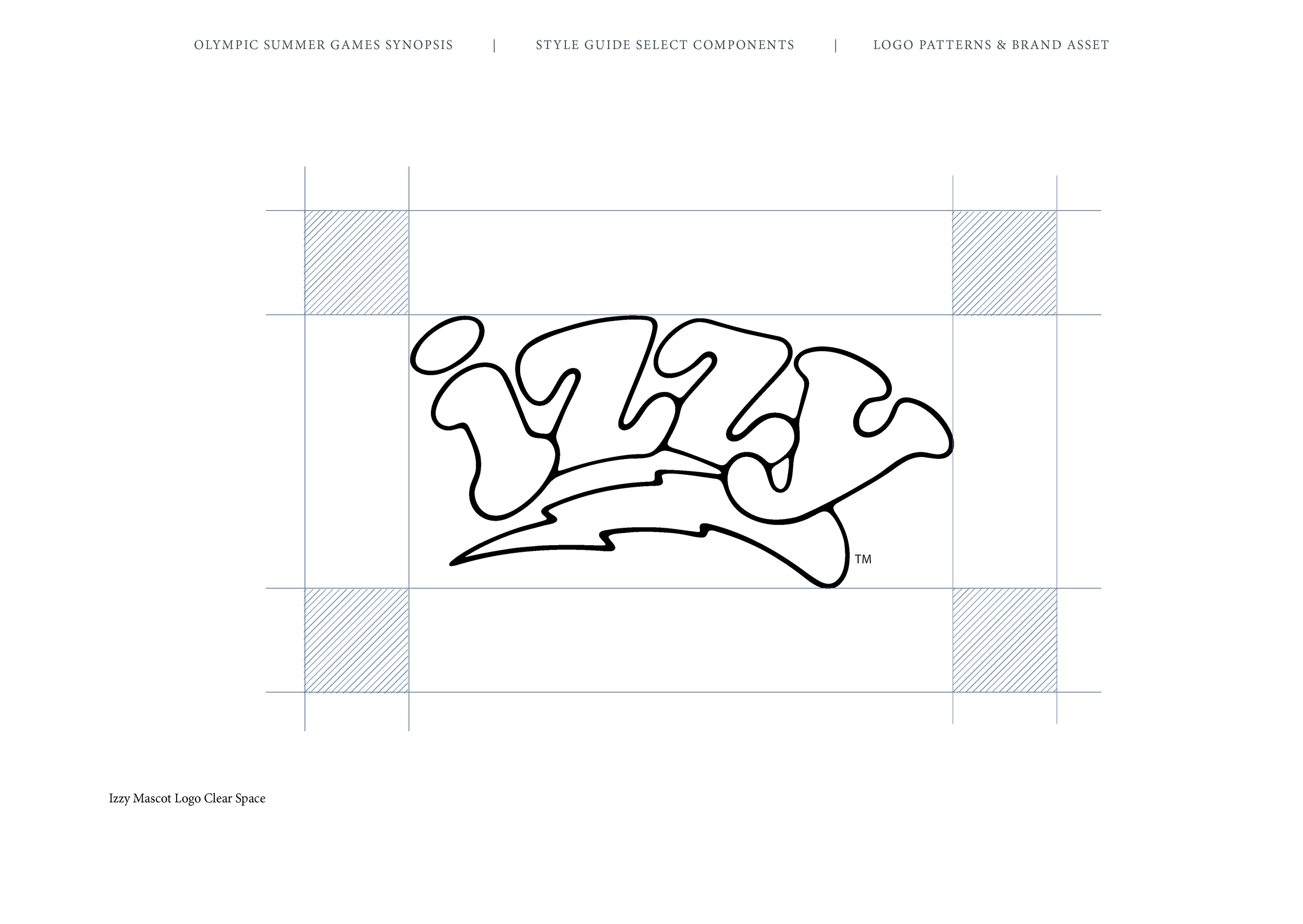
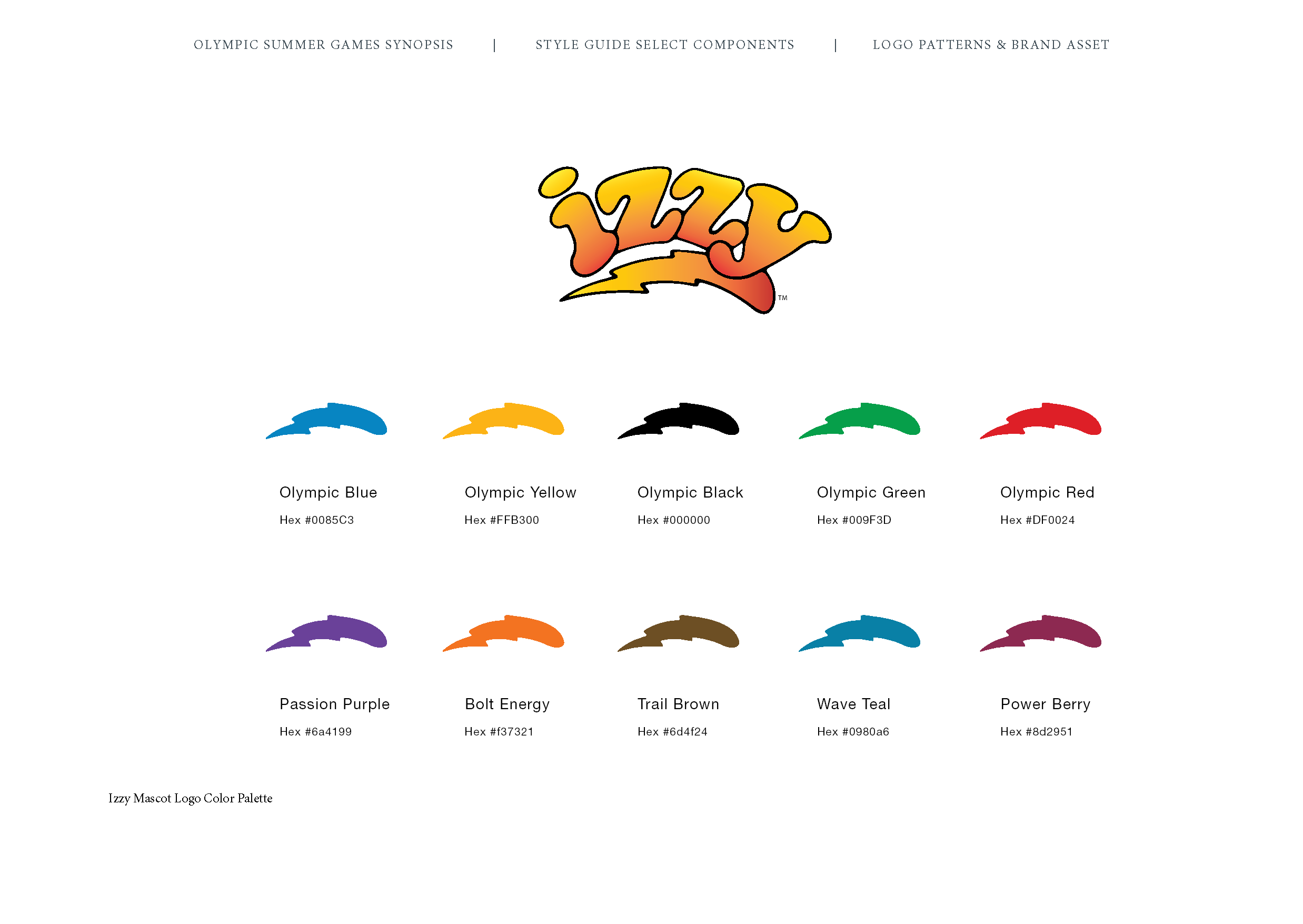
To protect the identity, we developed a comprehensive system architecture that defined how the brand behaved across every product category. This included core identity components, color systems, typographic rules, lockups, manufacturing tolerances, and usage constraints. We also established approval workflows that guided partners through consistent execution. The system was engineered not just for aesthetics, but for operational reliability across diverse manufacturing environments.
-
Our licensing framework translated the identity system into a functional governance model. It provided partners with clear onboarding, asset distribution, compliance tools, and review cycles. This structure ensured that every licensee — from major apparel manufacturers to small specialty producers — could execute the identity accurately. The framework created a unified operational language that aligned hundreds of independent partners under a single brand standard.
-
The system was deployed across a wide range of industries, each with unique production constraints. Apparel required color accuracy and fabric‑based tolerances. Collectibles demanded precision in small‑scale reproduction. Publishing needed typographic consistency and layout discipline. Consumer goods required adaptable lockups and substrate‑specific rules. Our system ensured that every category — regardless of material or method — expressed the Olympic identity with clarity and cohesion.
-
The resulting licensing environment delivered consistency across thousands of products and hundreds of partners. Approval cycles became more efficient, manufacturing errors decreased, and the identity maintained coherence across global distribution. The system demonstrated how a well‑designed governance model can reduce friction, increase accuracy, and protect brand integrity at massive scale.
-
This project became a foundational moment in our brand‑systems practice. It revealed how identity must function as operational logic, not surface decoration, and how governance frameworks enable brands to scale across complex ecosystems. The Olympic system established principles that continue to shape our work today — clarity, structure, adaptability, and the belief that identity is a system engineered to perform under real‑world pressure.
OVERVIEW
Olympic Flame Visual Identity
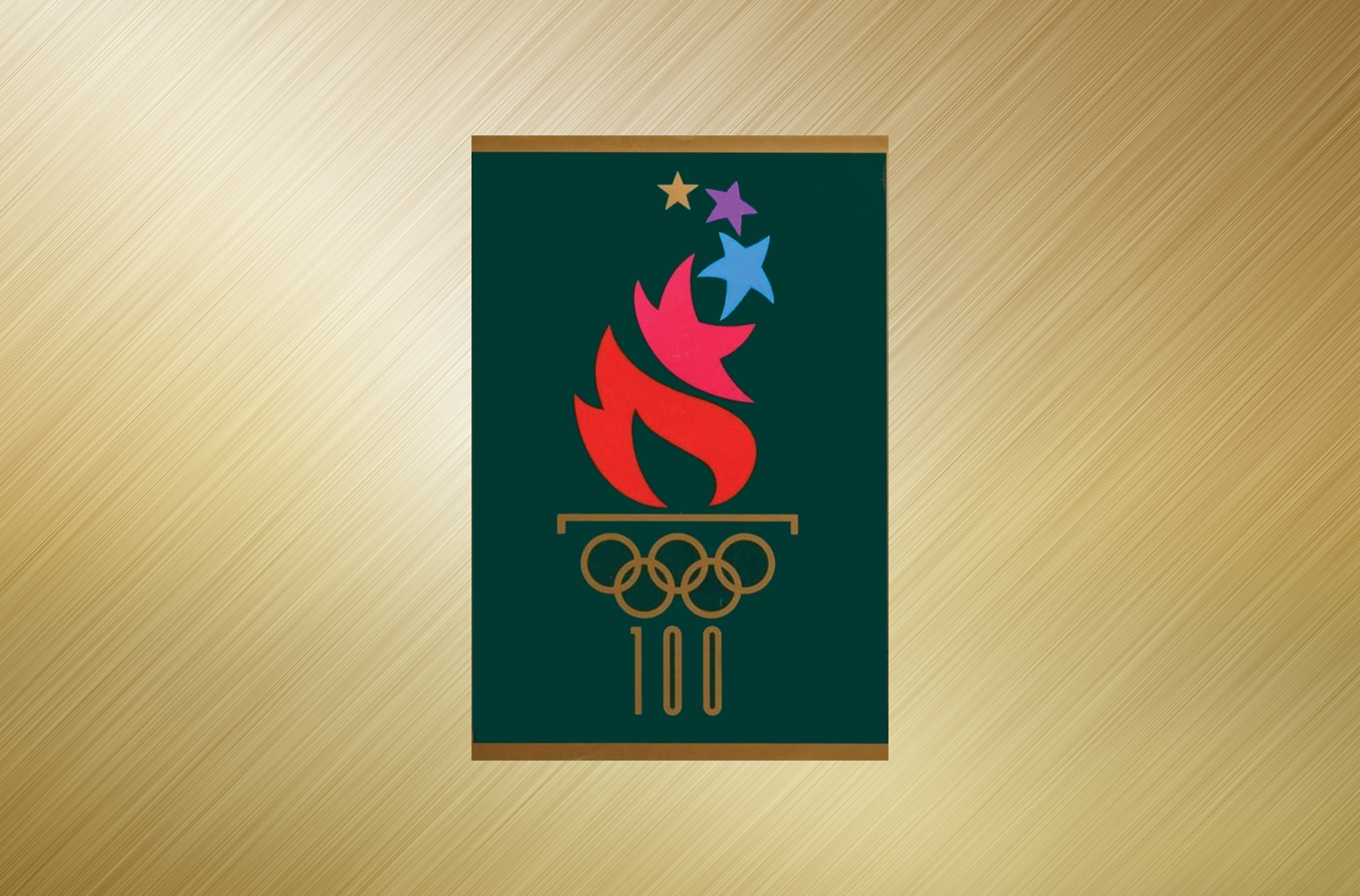
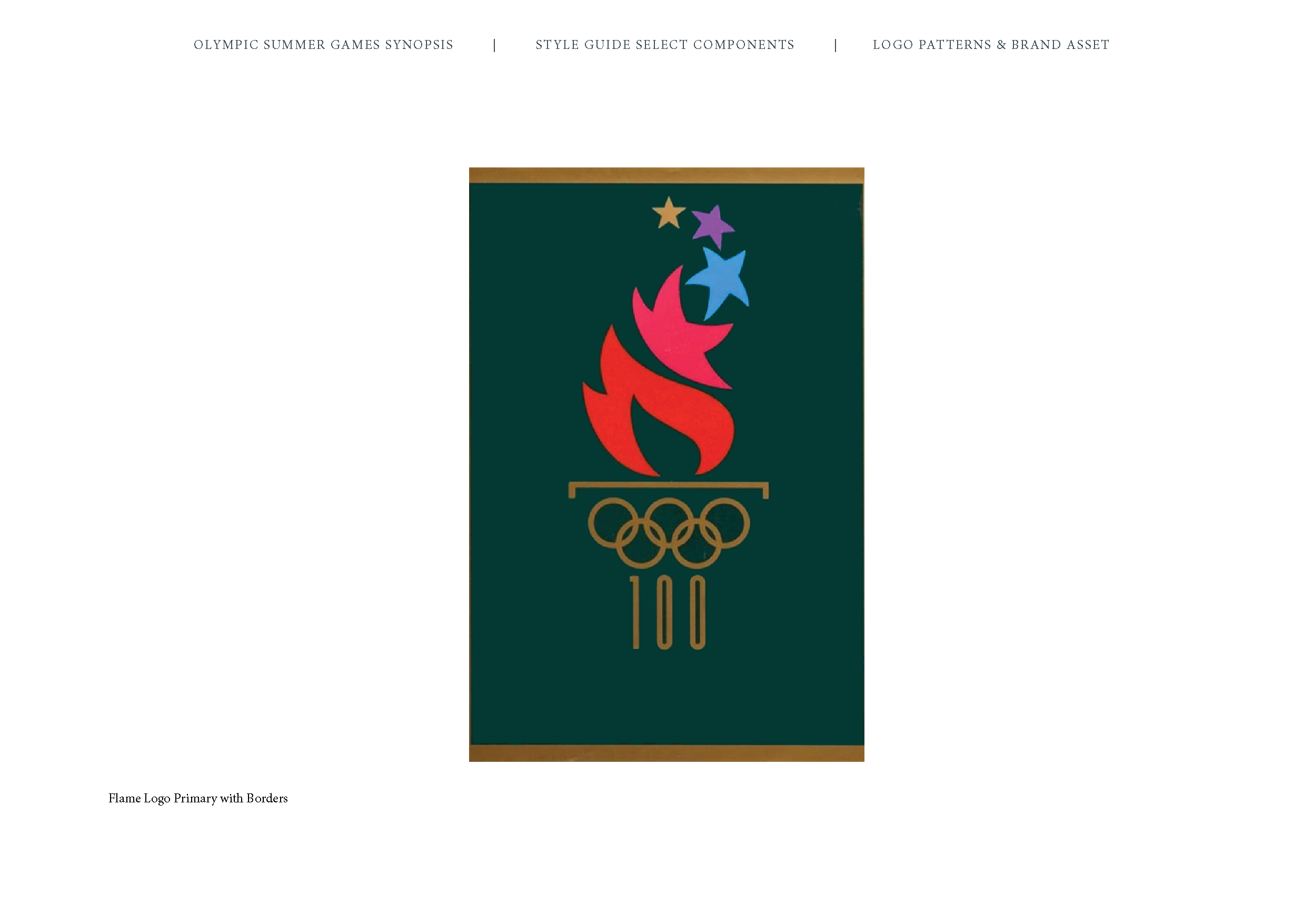
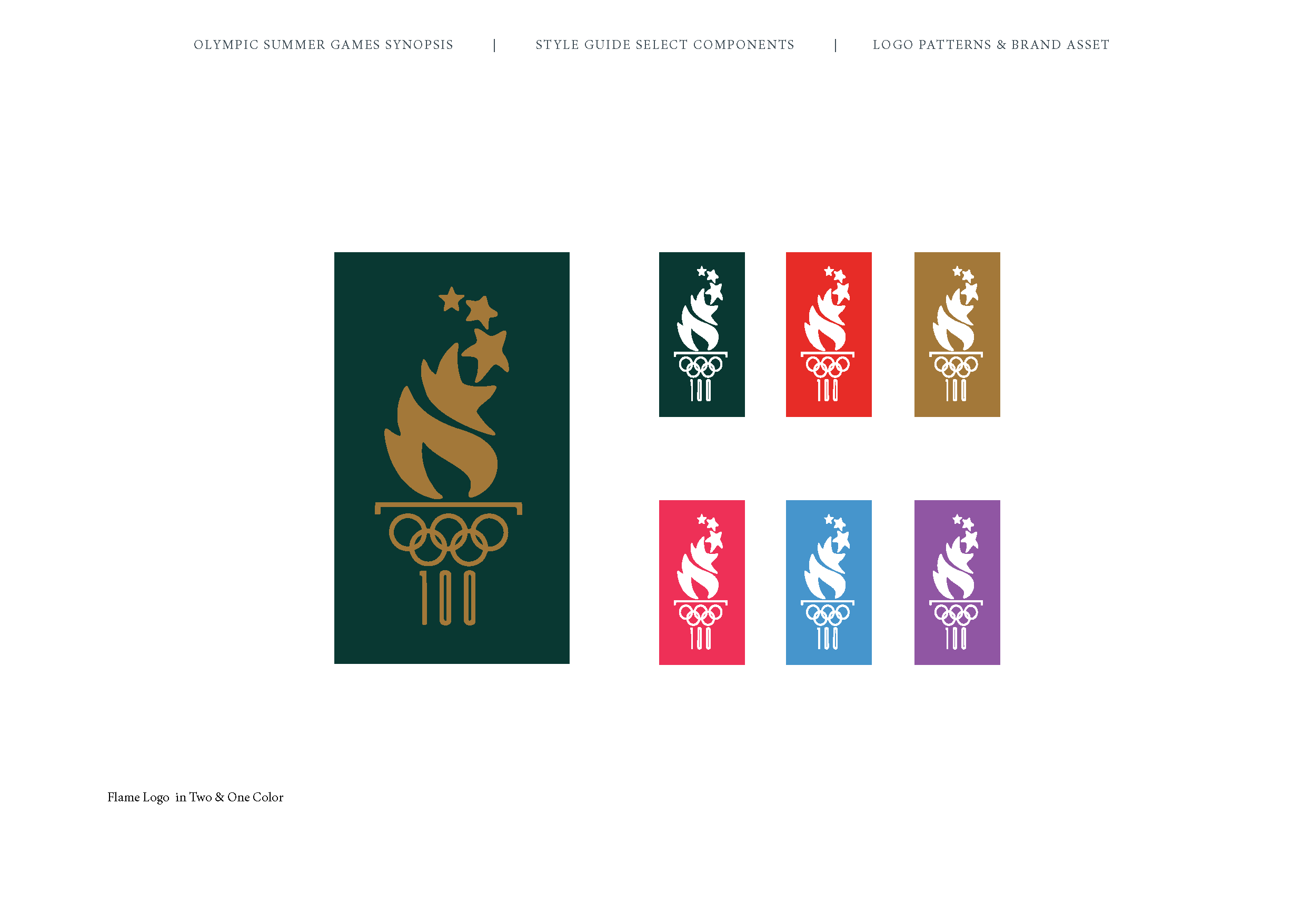
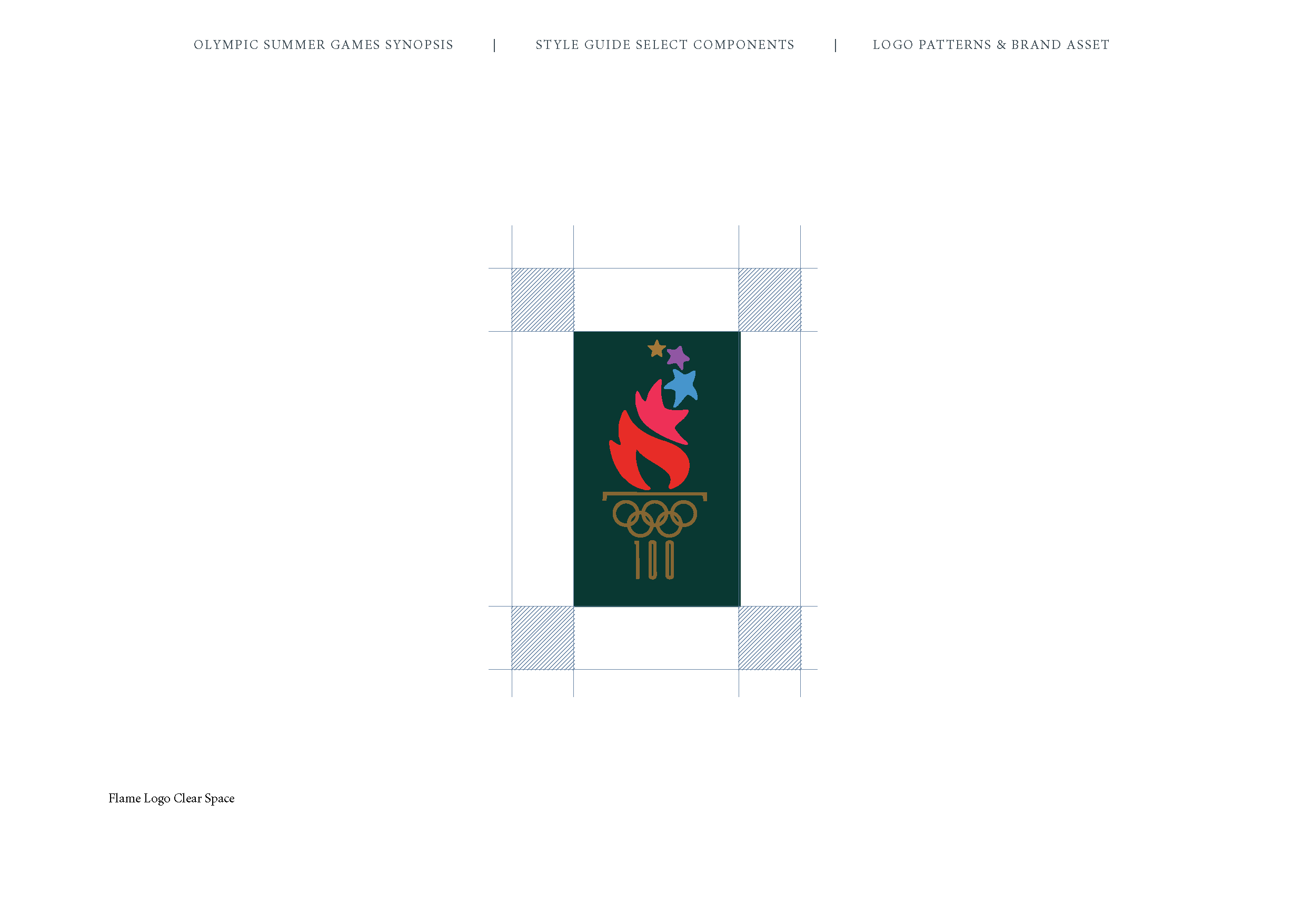
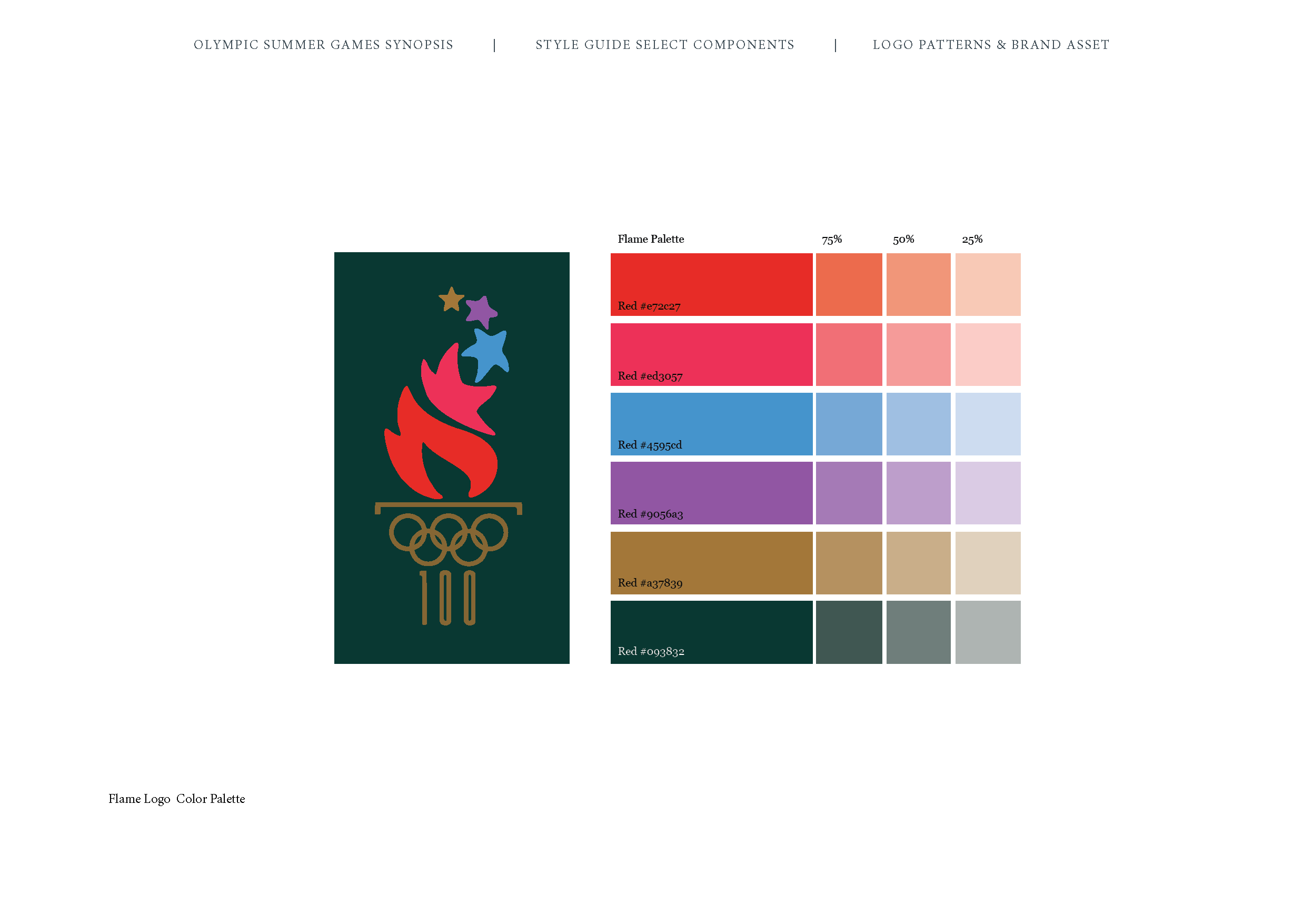
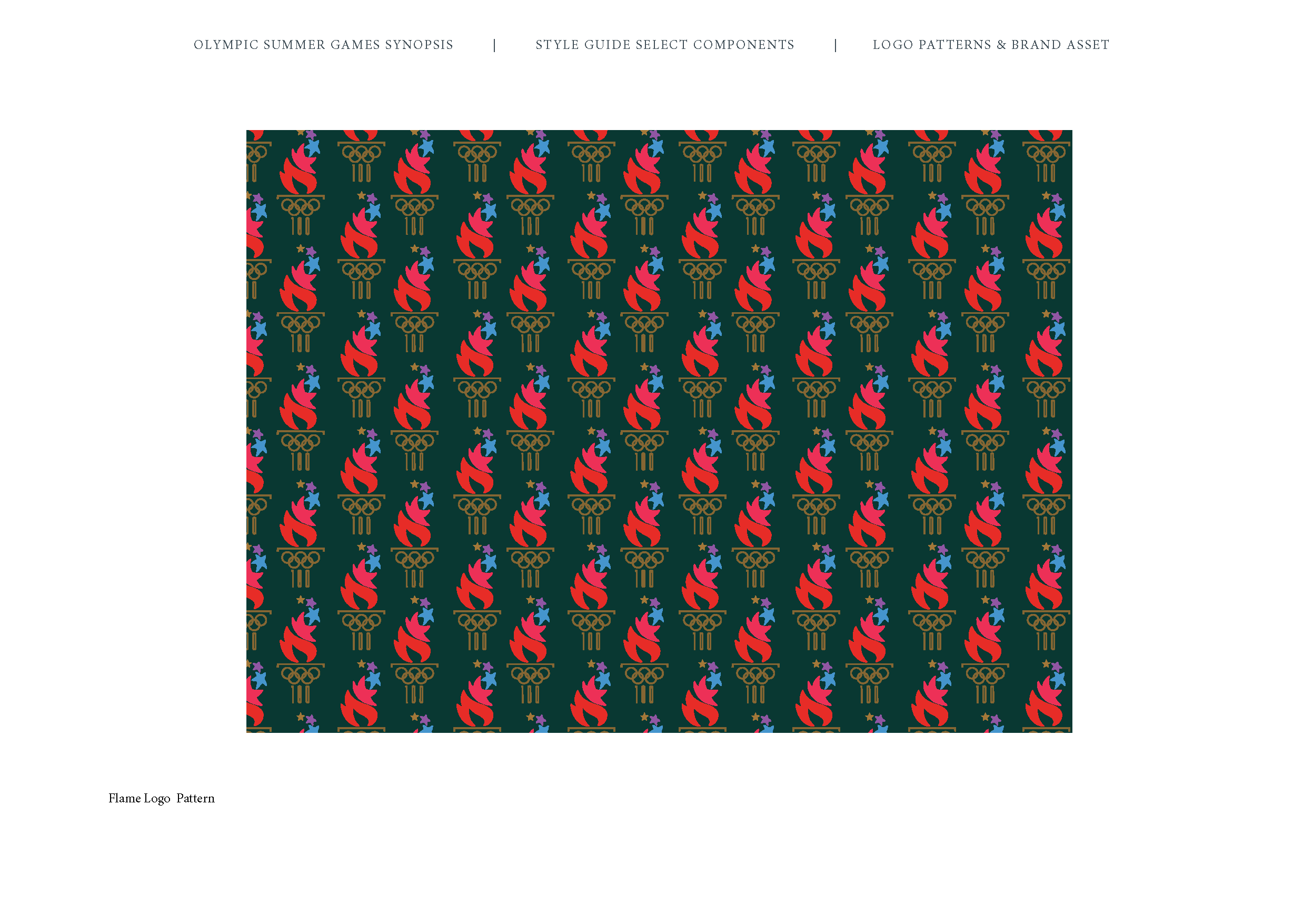
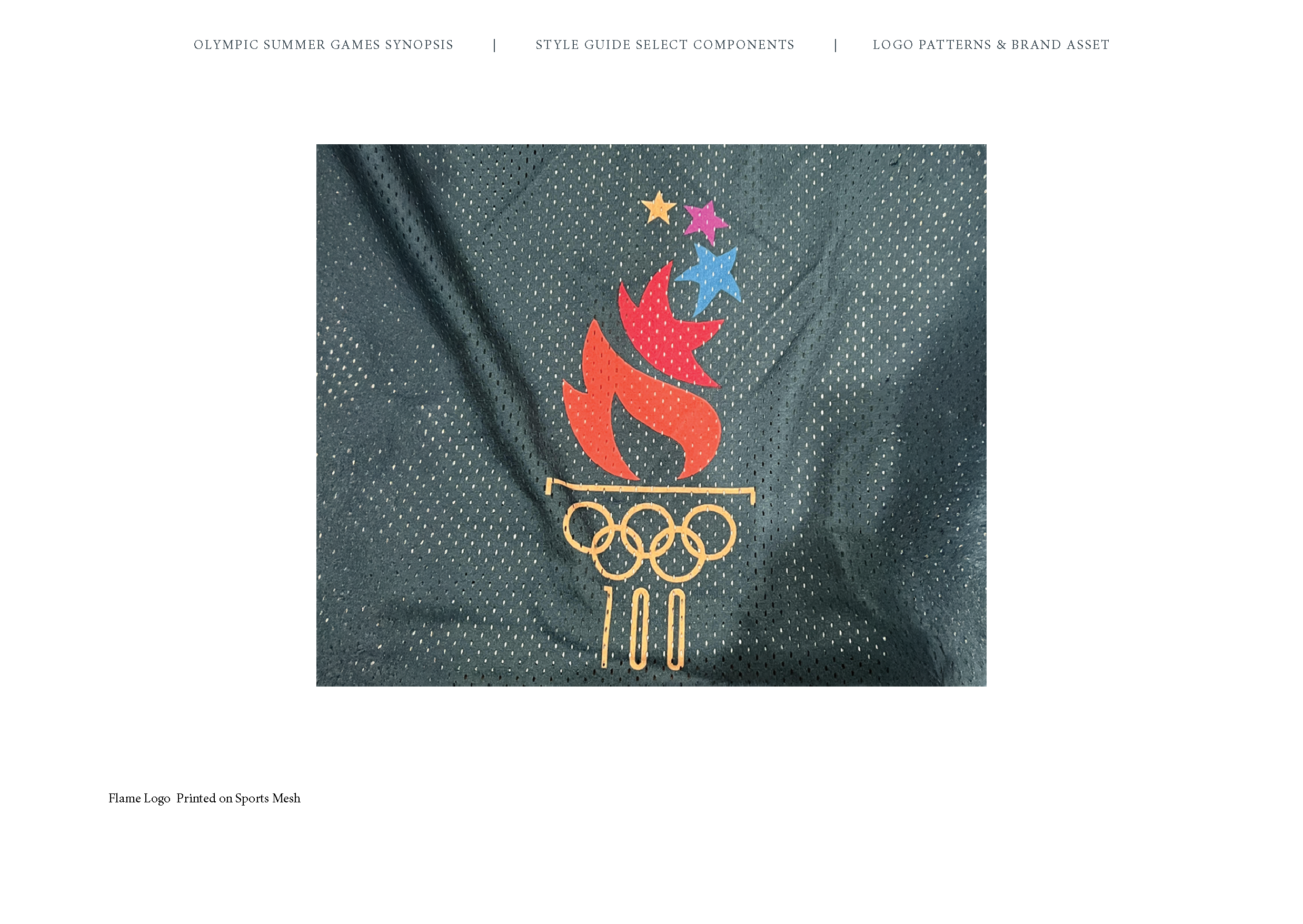
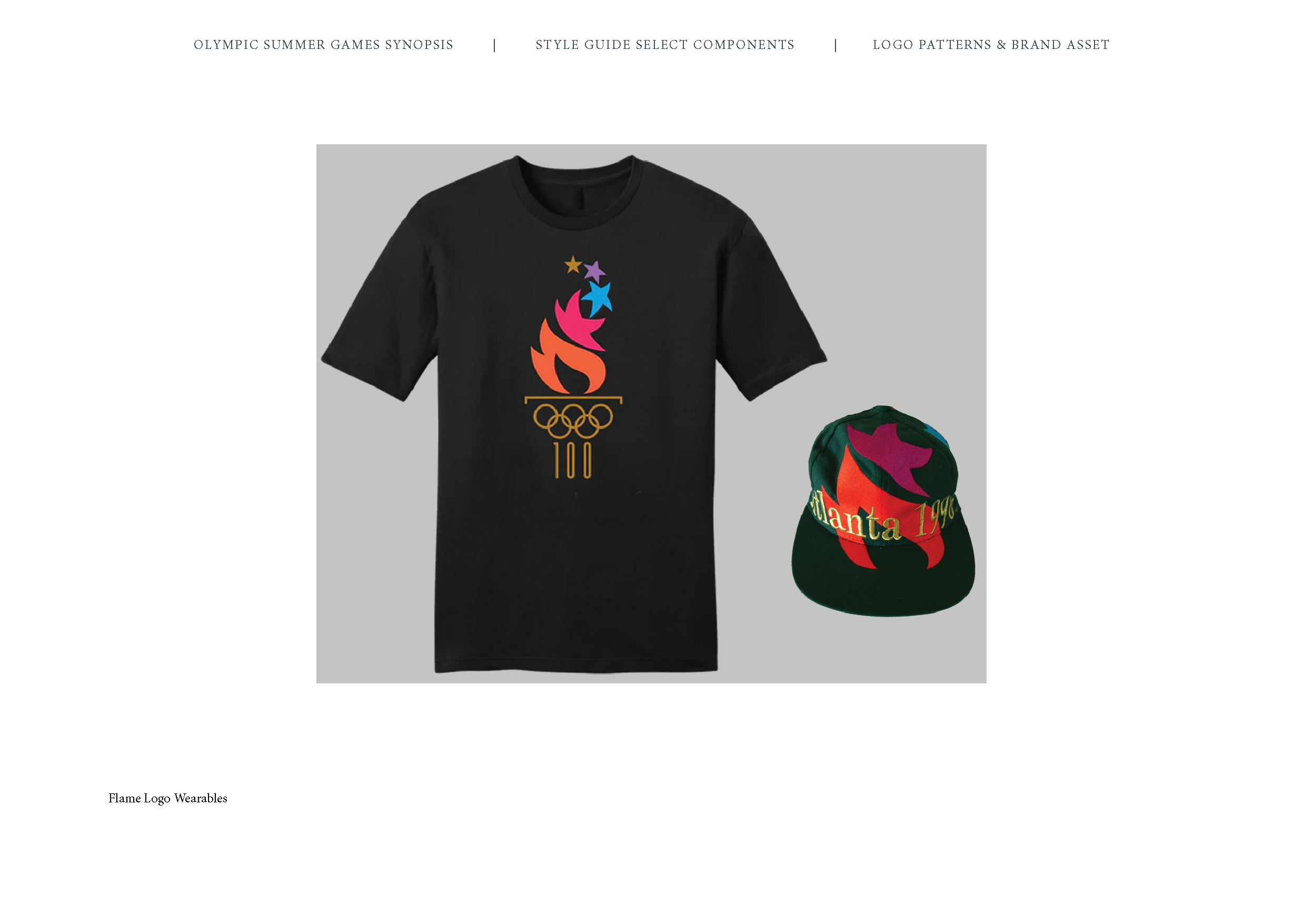
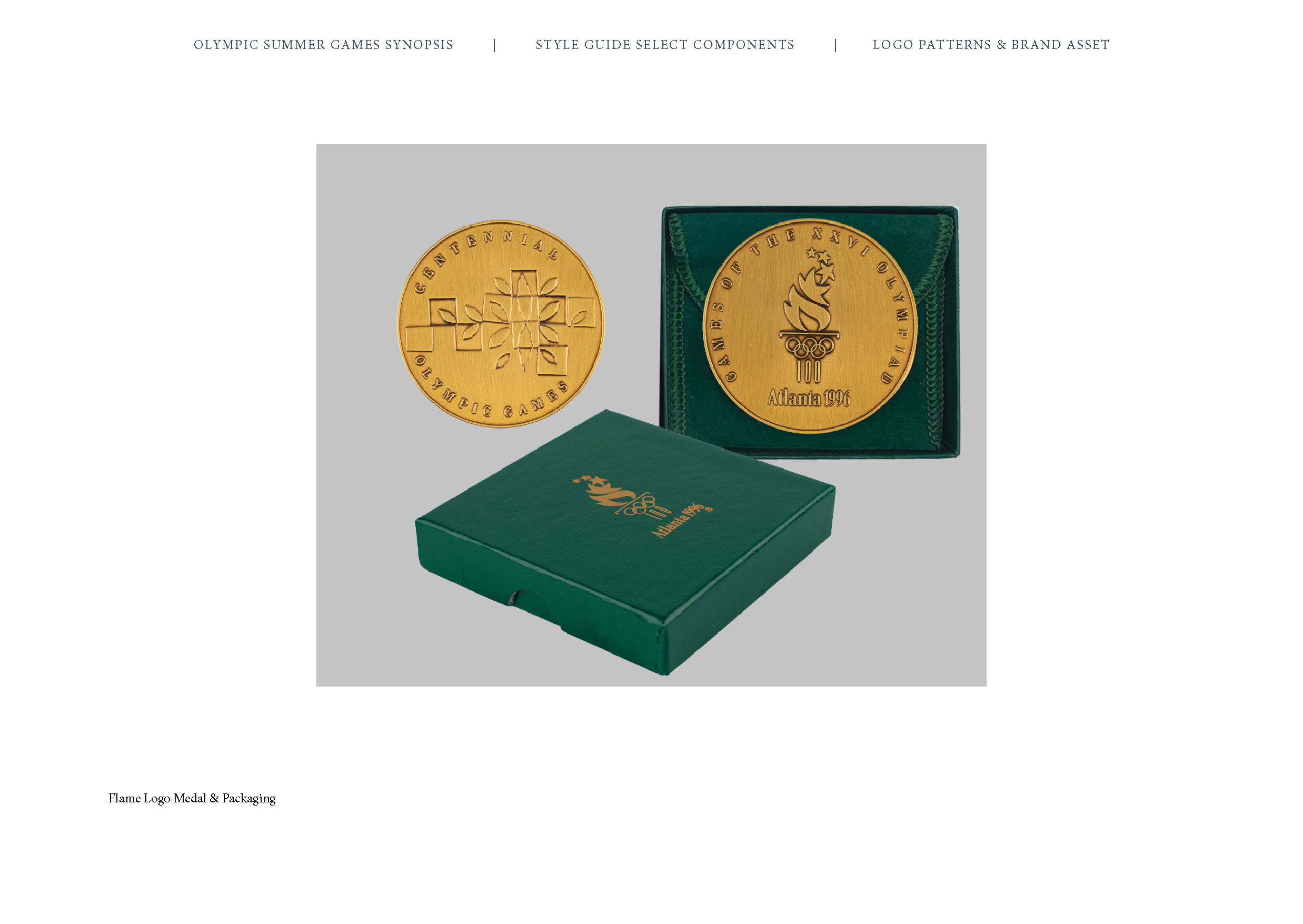
A global identity engineered for clarity, scale, and consistency across the 1996 Olympic Games. The Flame System unified 226 independent licensees under a single visual language. Built on precise geometry, disciplined color architecture, and strict application rules, the system ensured that every expression, from apparel to medals to international merchandise, carried the same iconic presence across a massive global licensing ecosystem.
OVERVIEW
Izzy Olympic Mascot Identity
A complete library of mascot illustrations and sport‑specific poses was engineered for multi‑category use, ensuring consistency across apparel, accessories, collectibles, and home goods. These assets supported 226 independent licensees, including Hanes and other exclusive manufacturers within the global consumer‑products program.
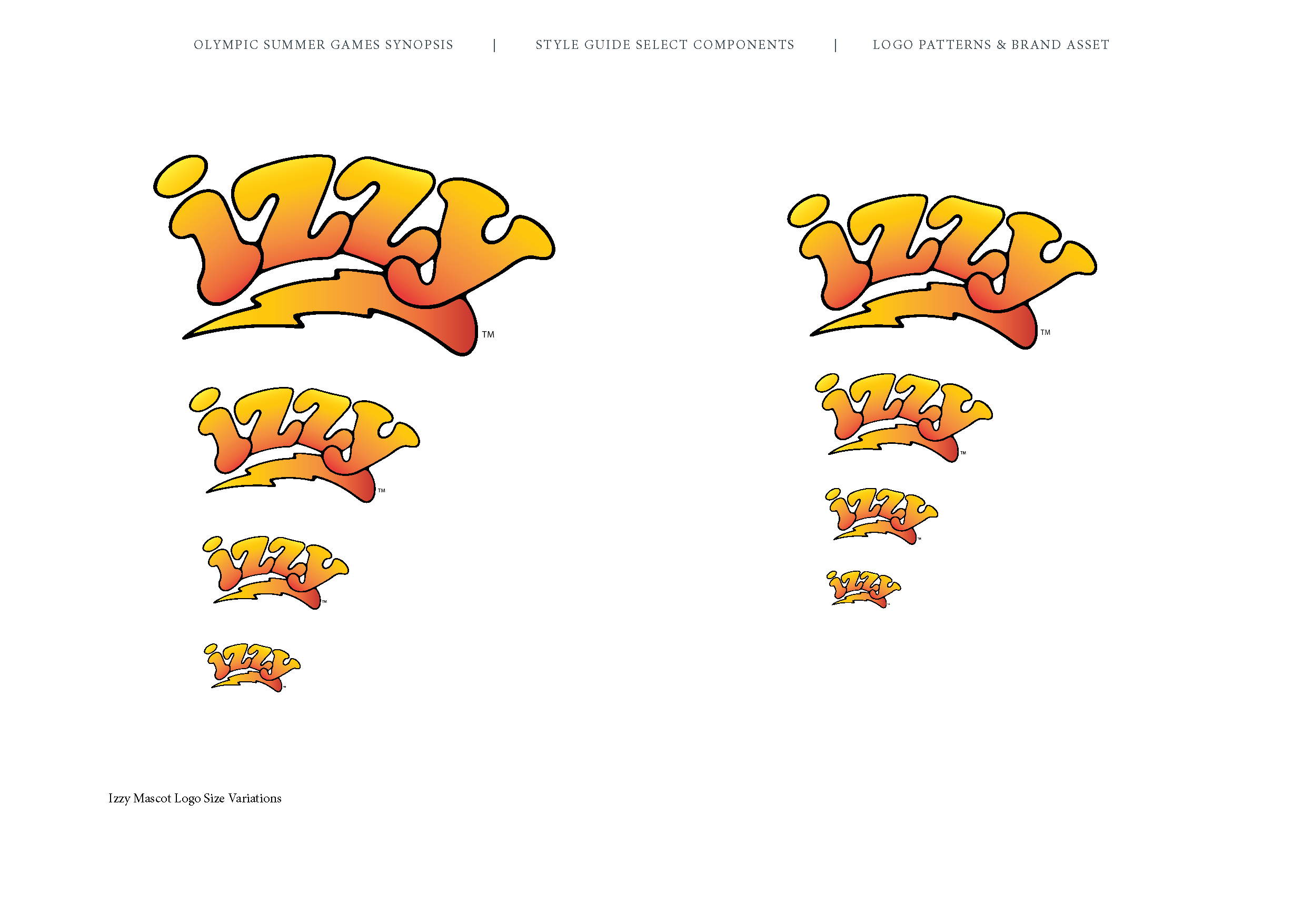
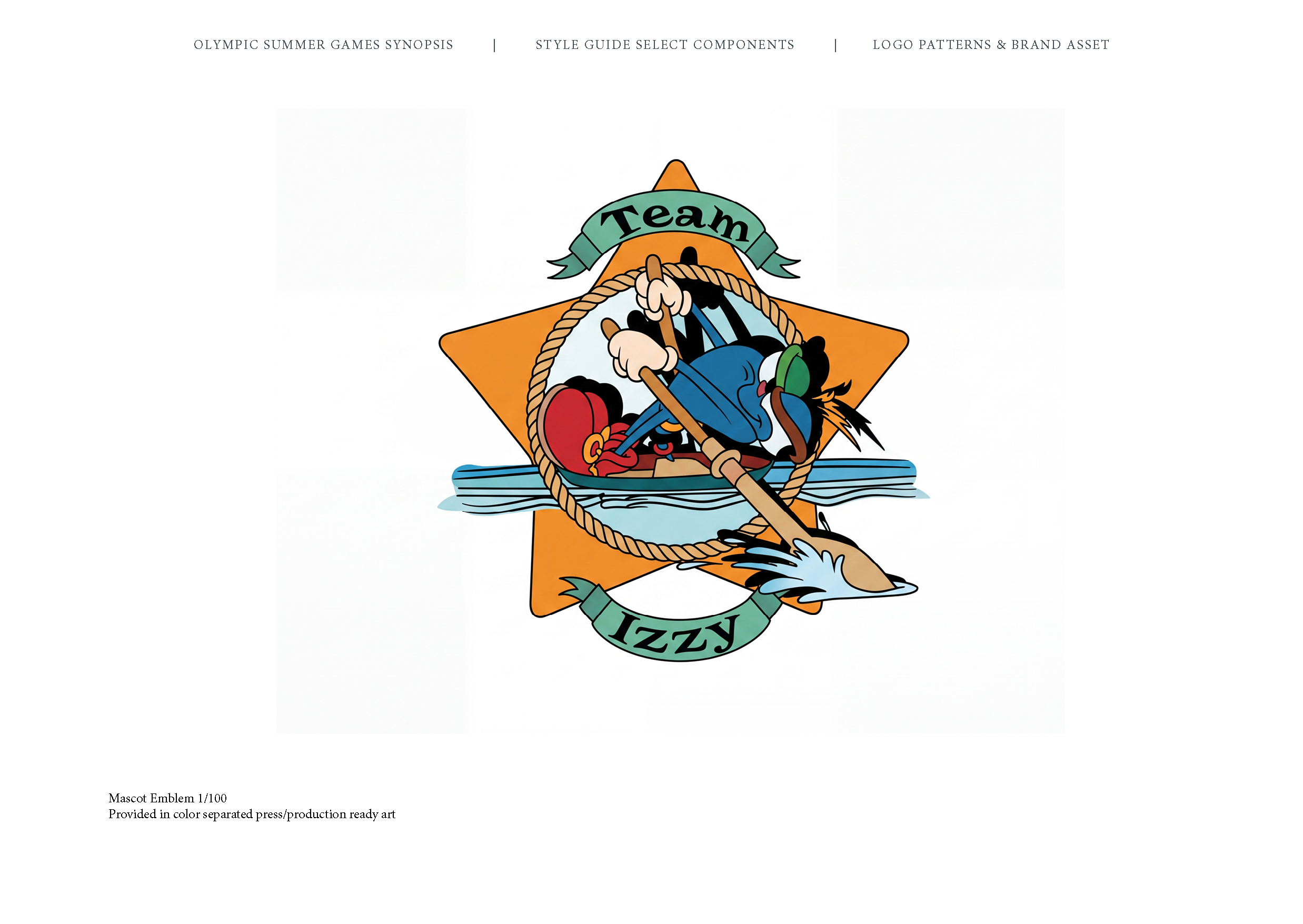
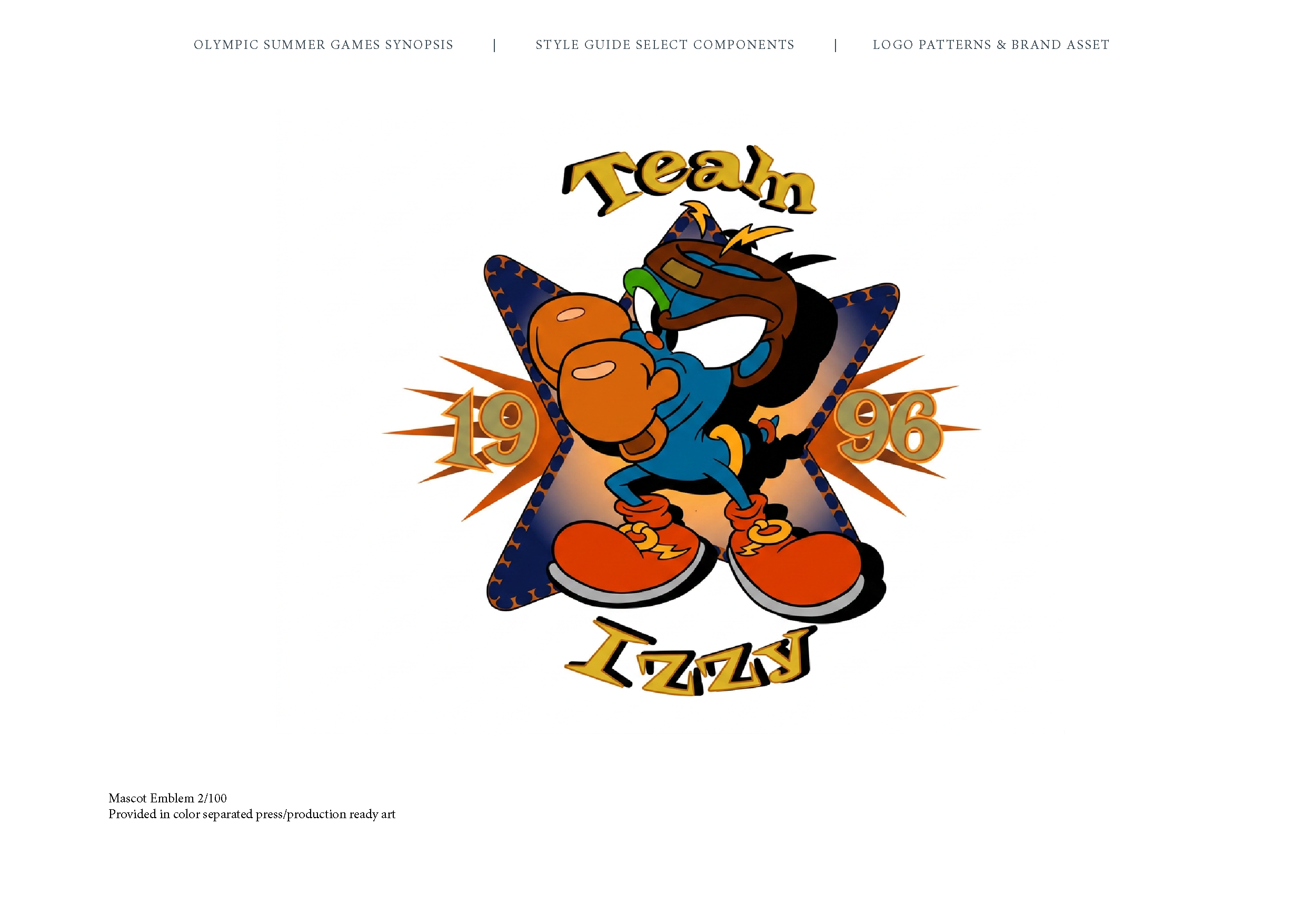
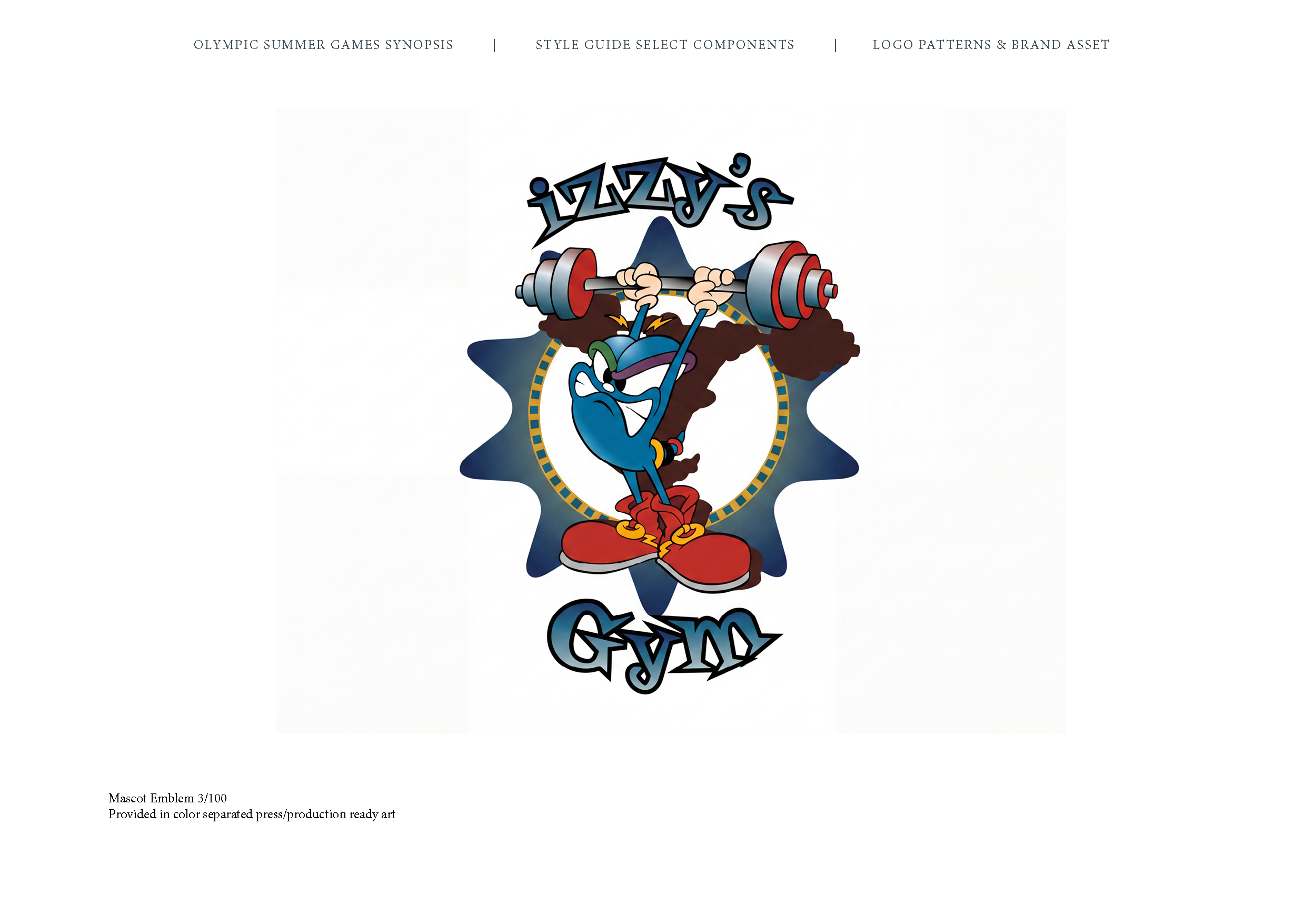
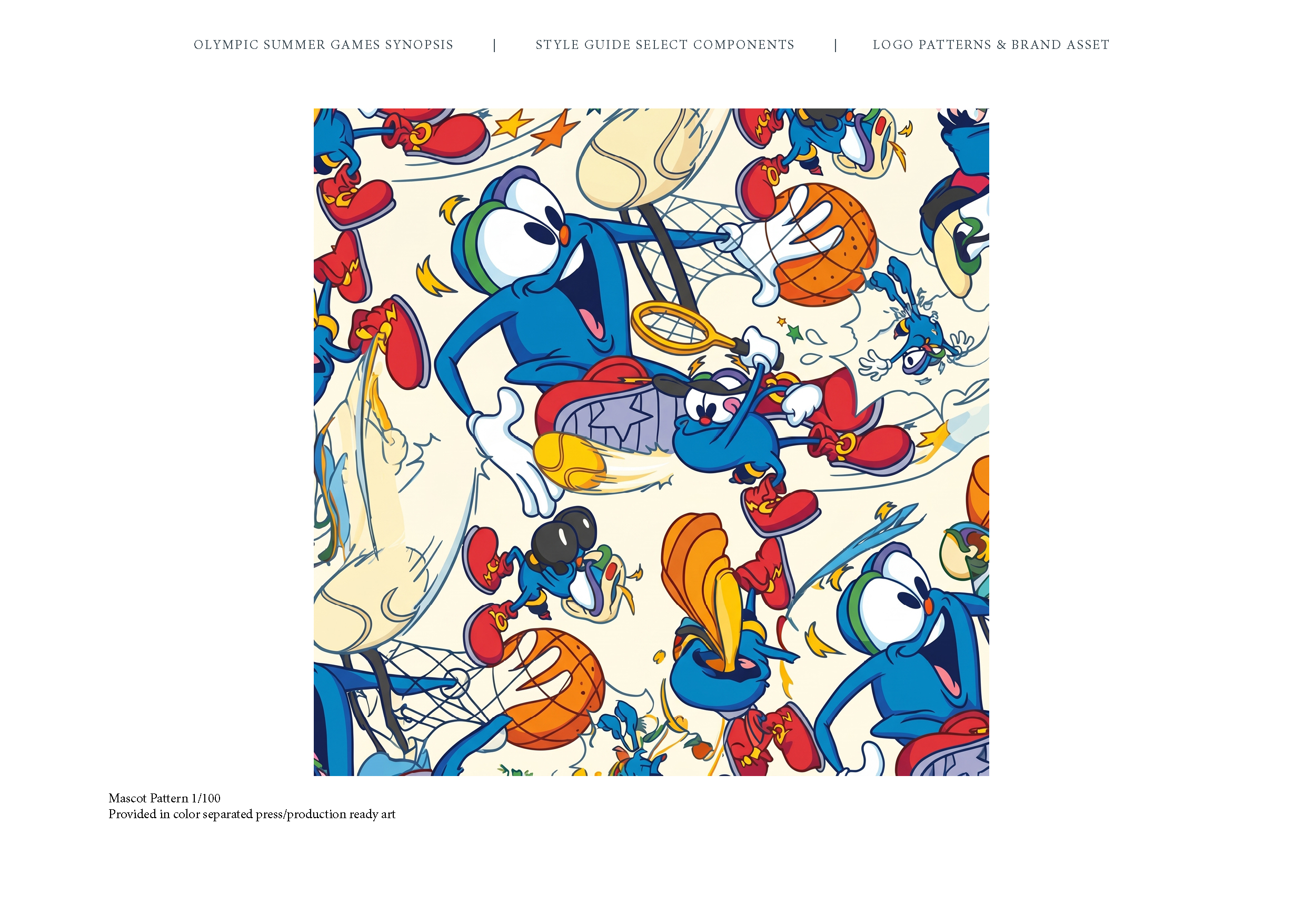
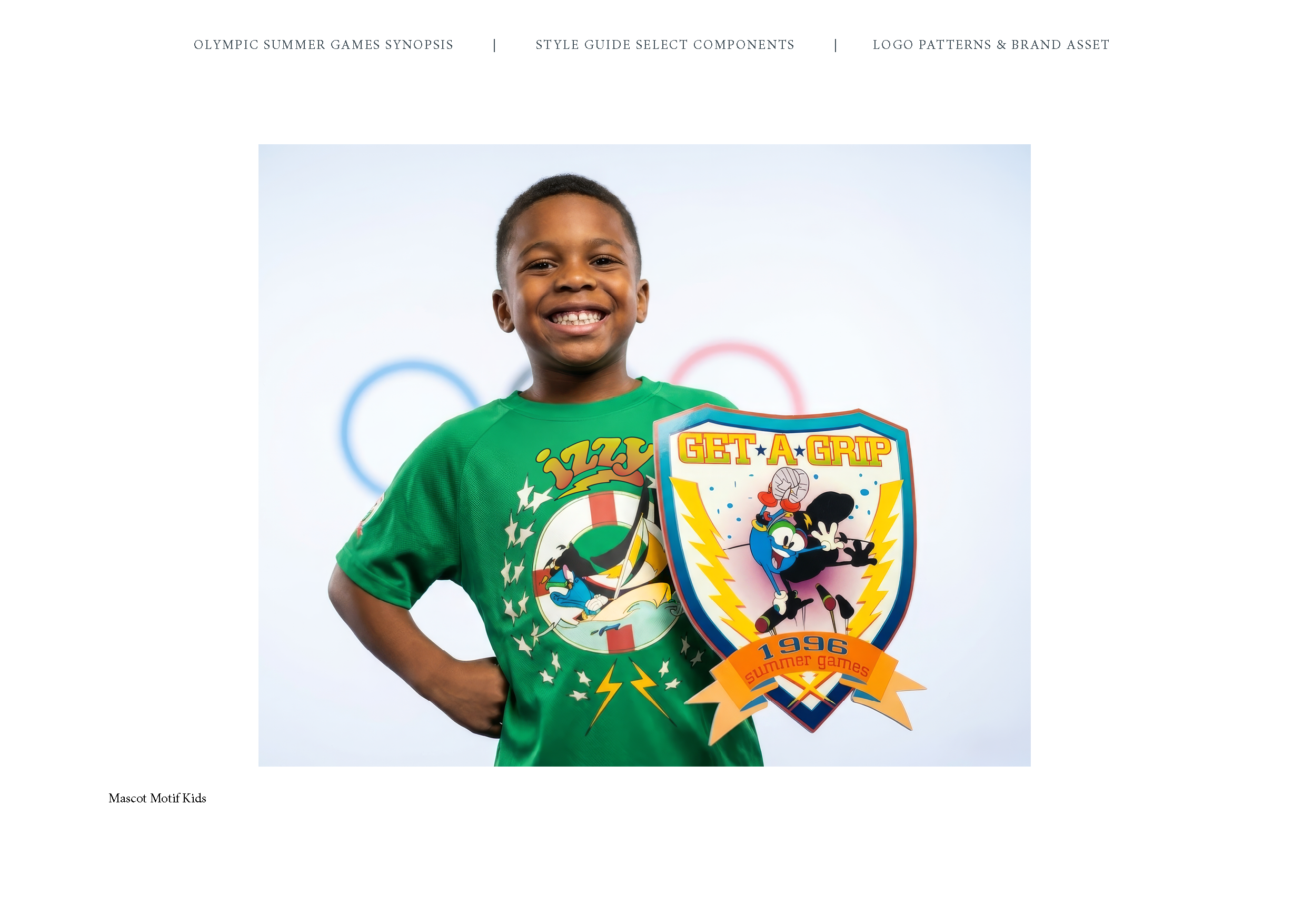
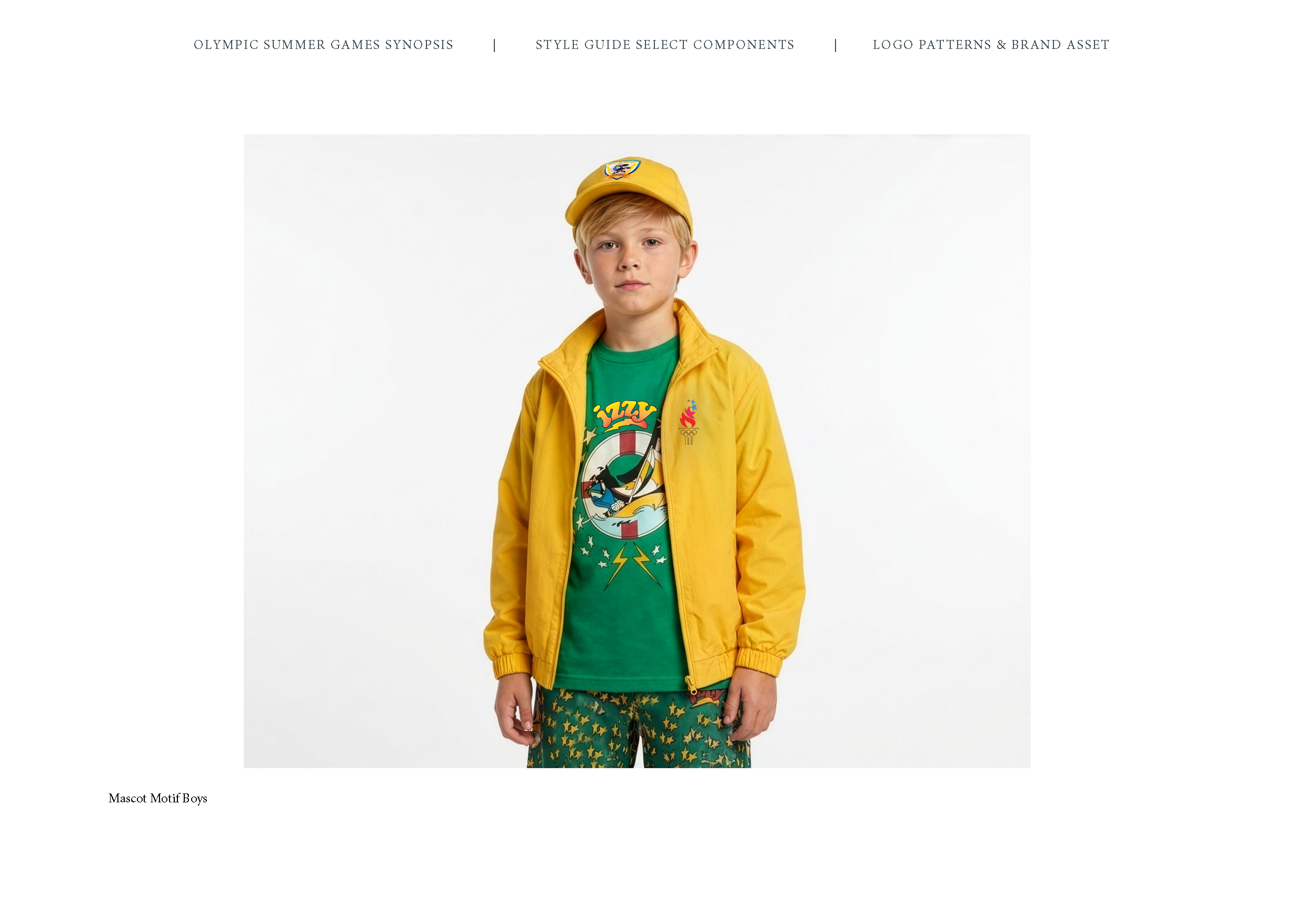
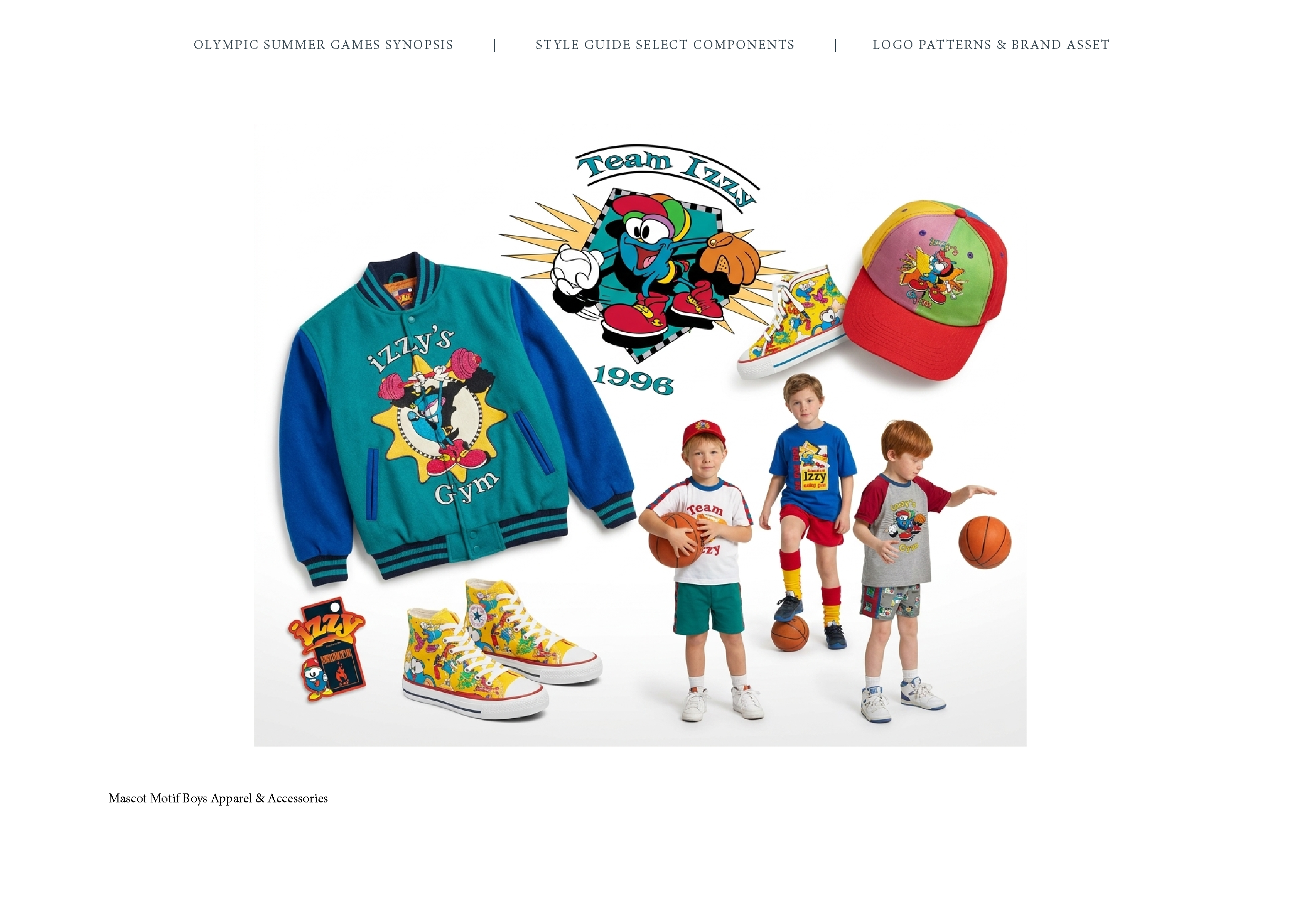
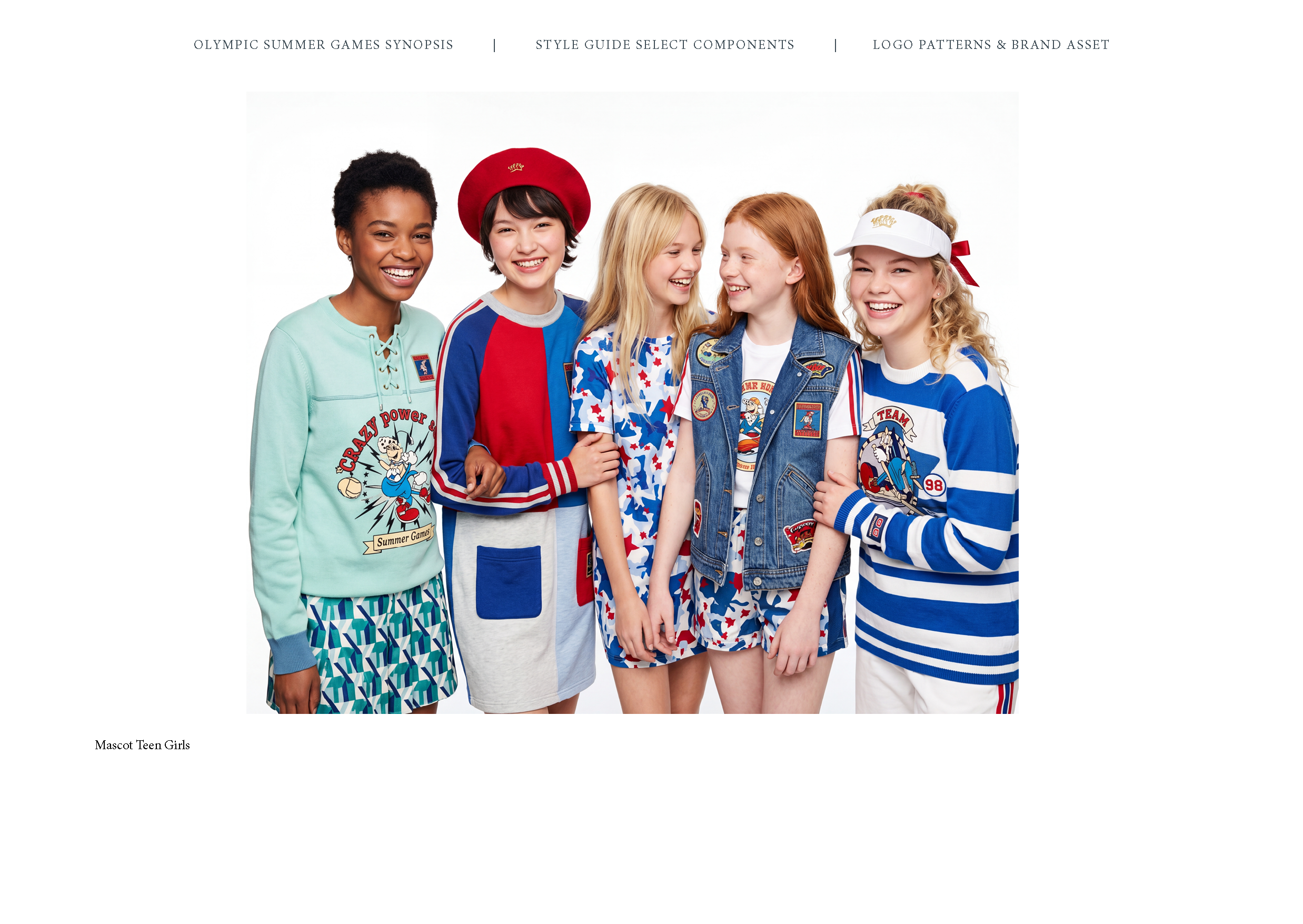
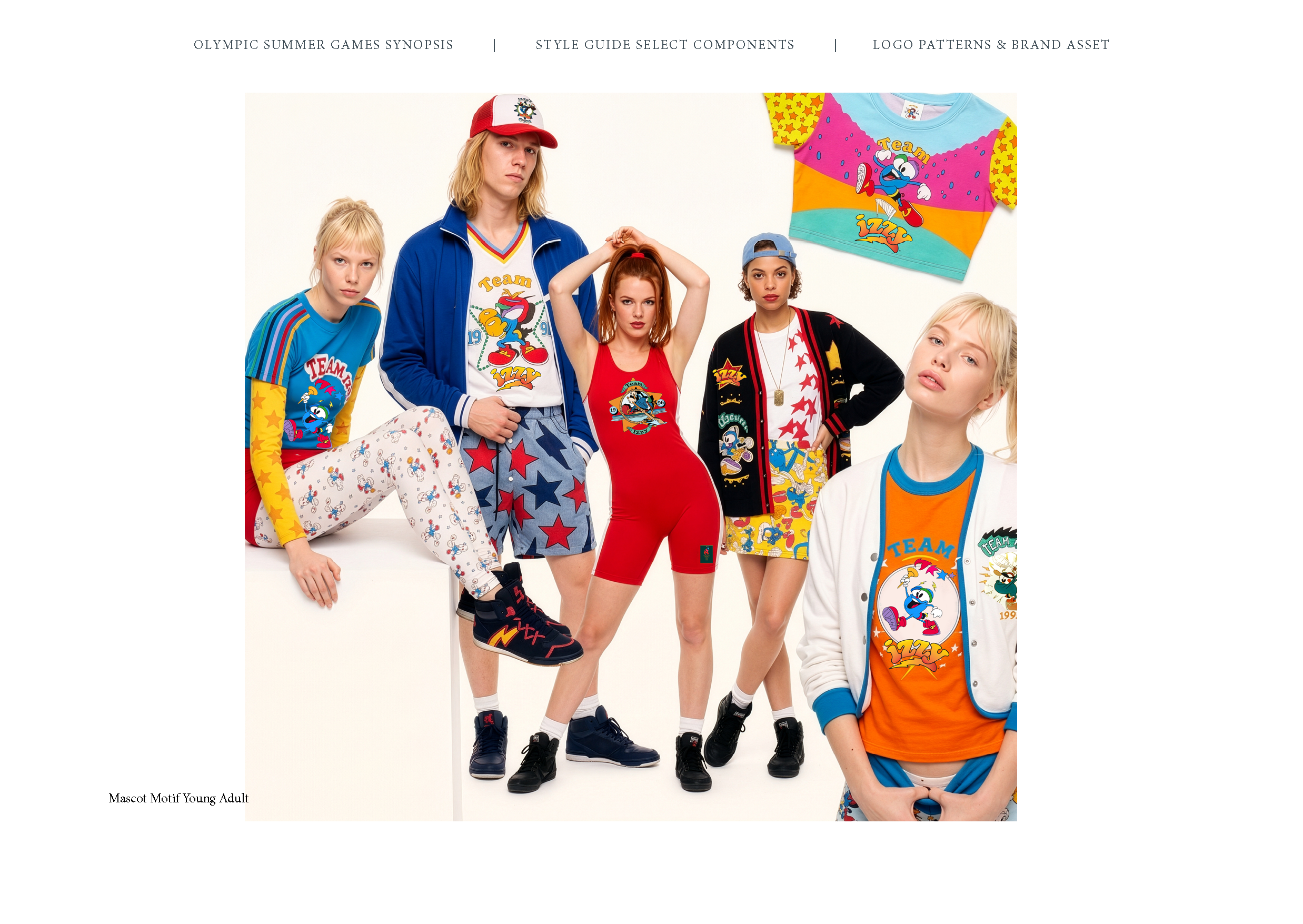
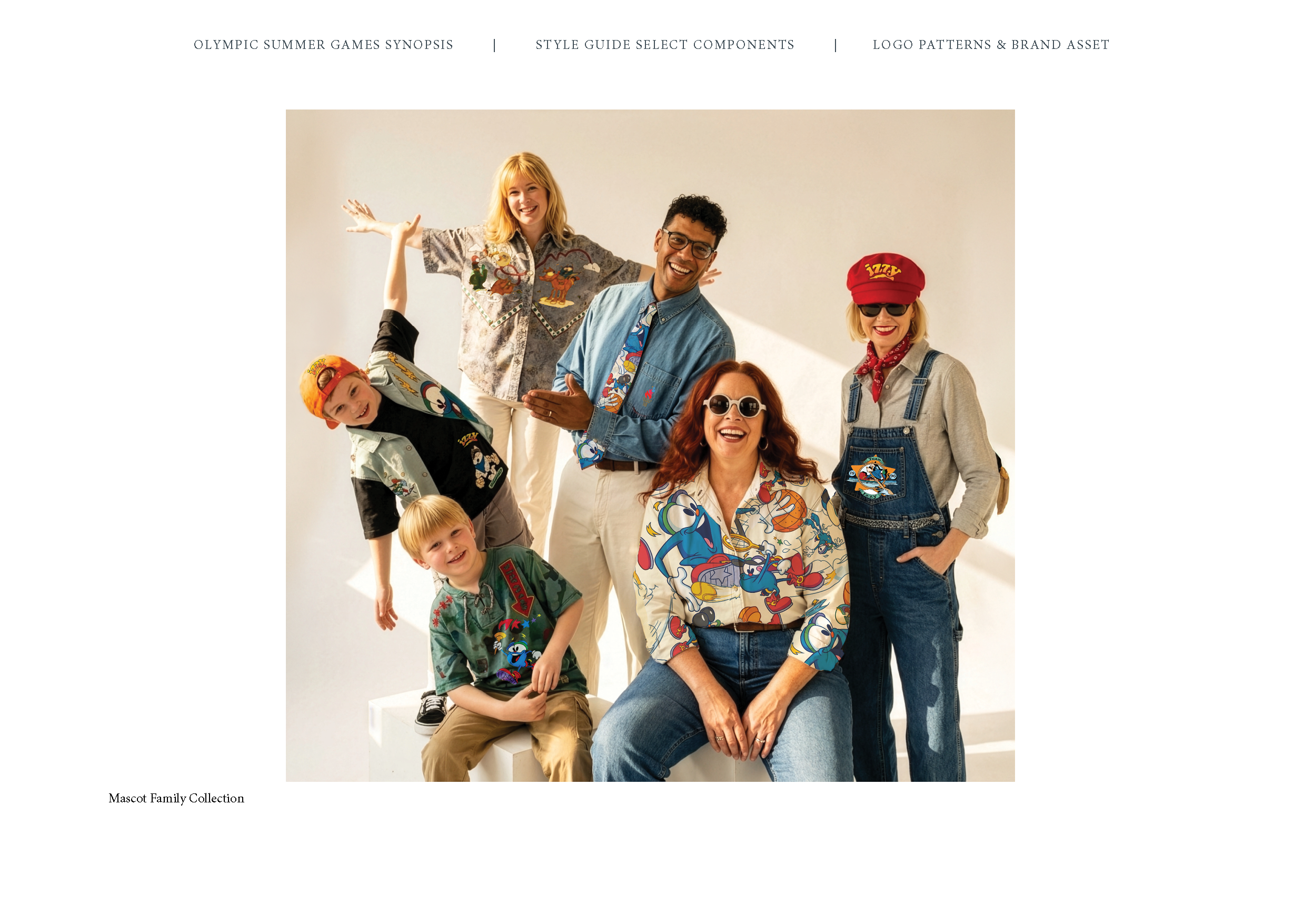
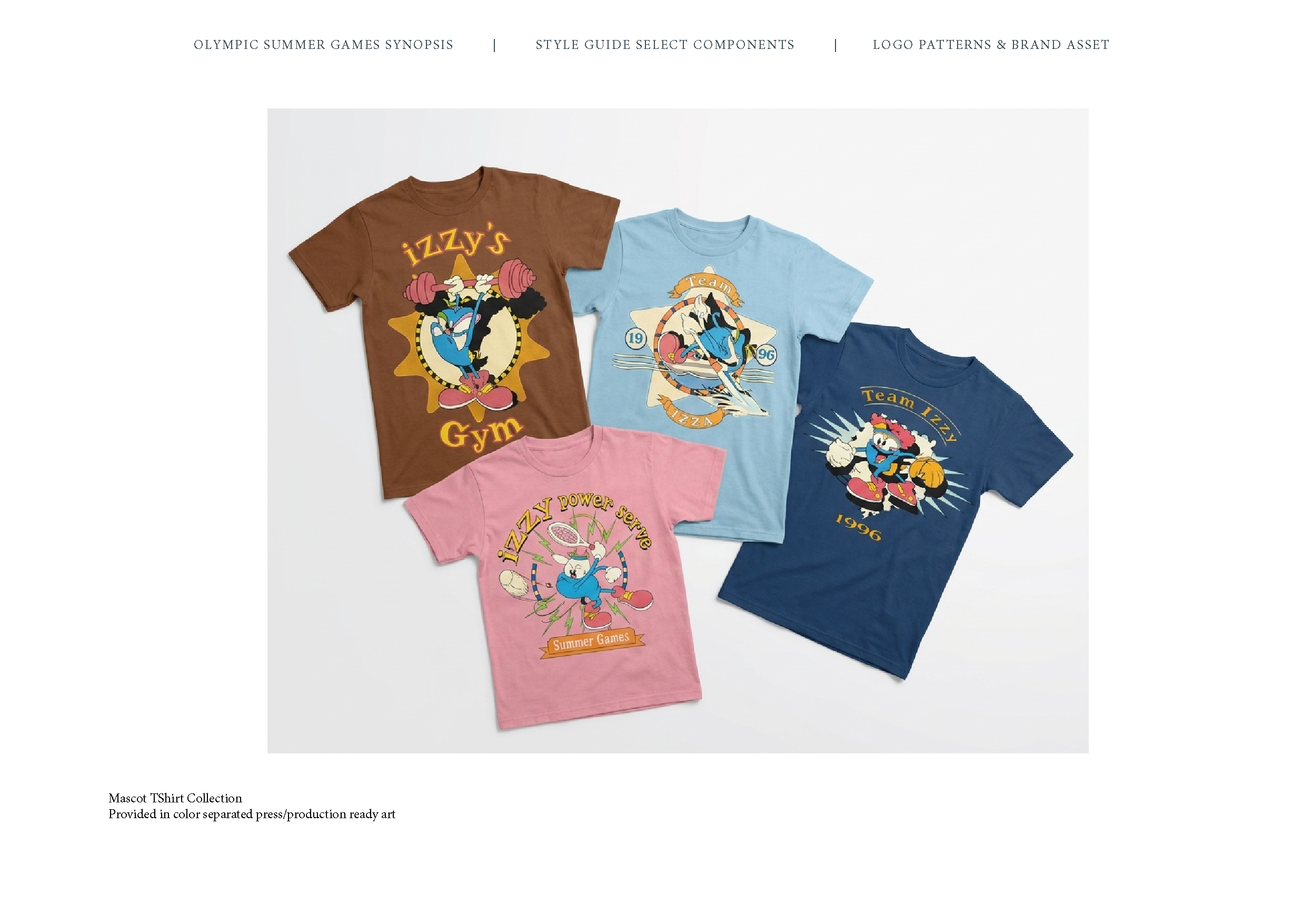
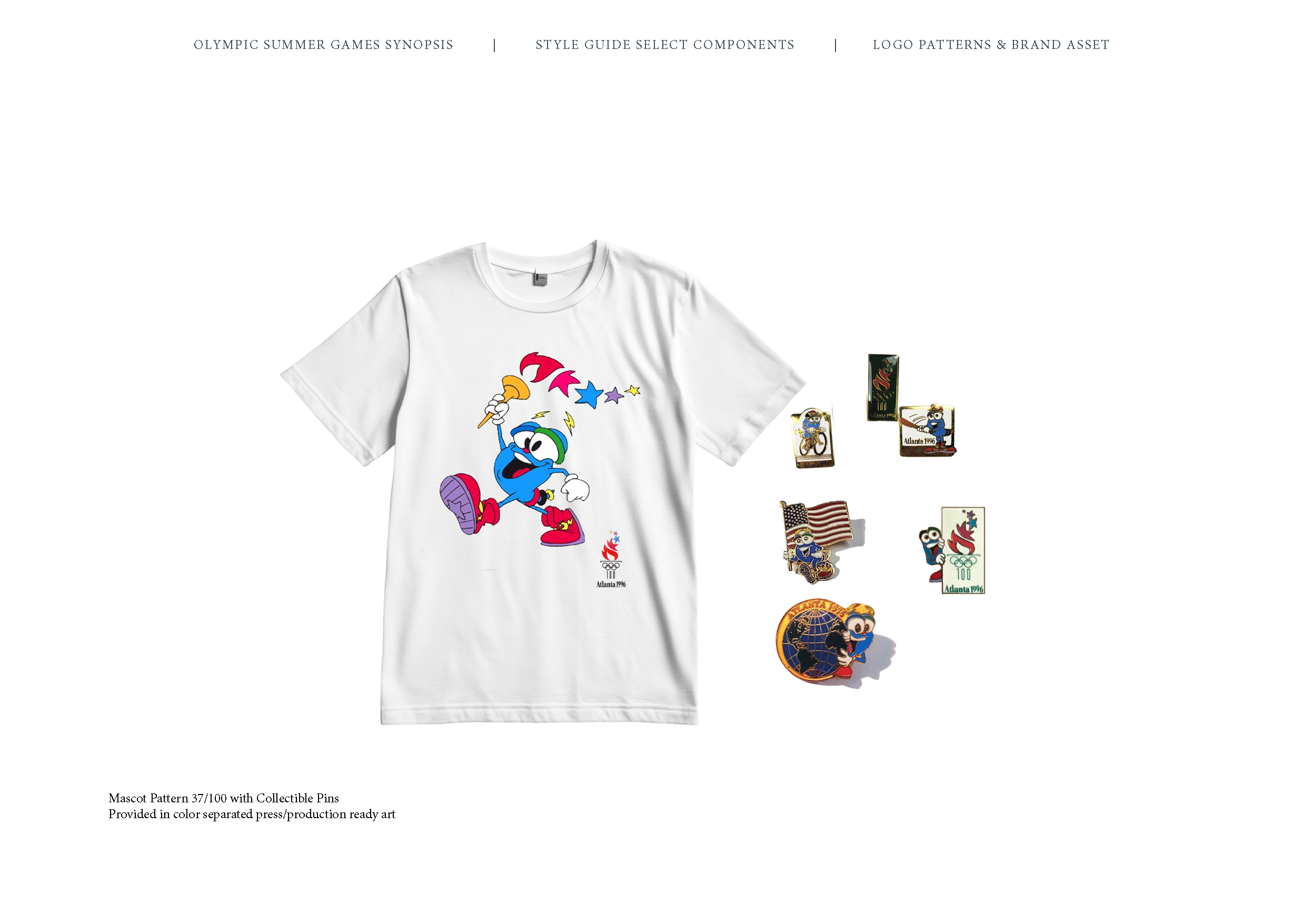
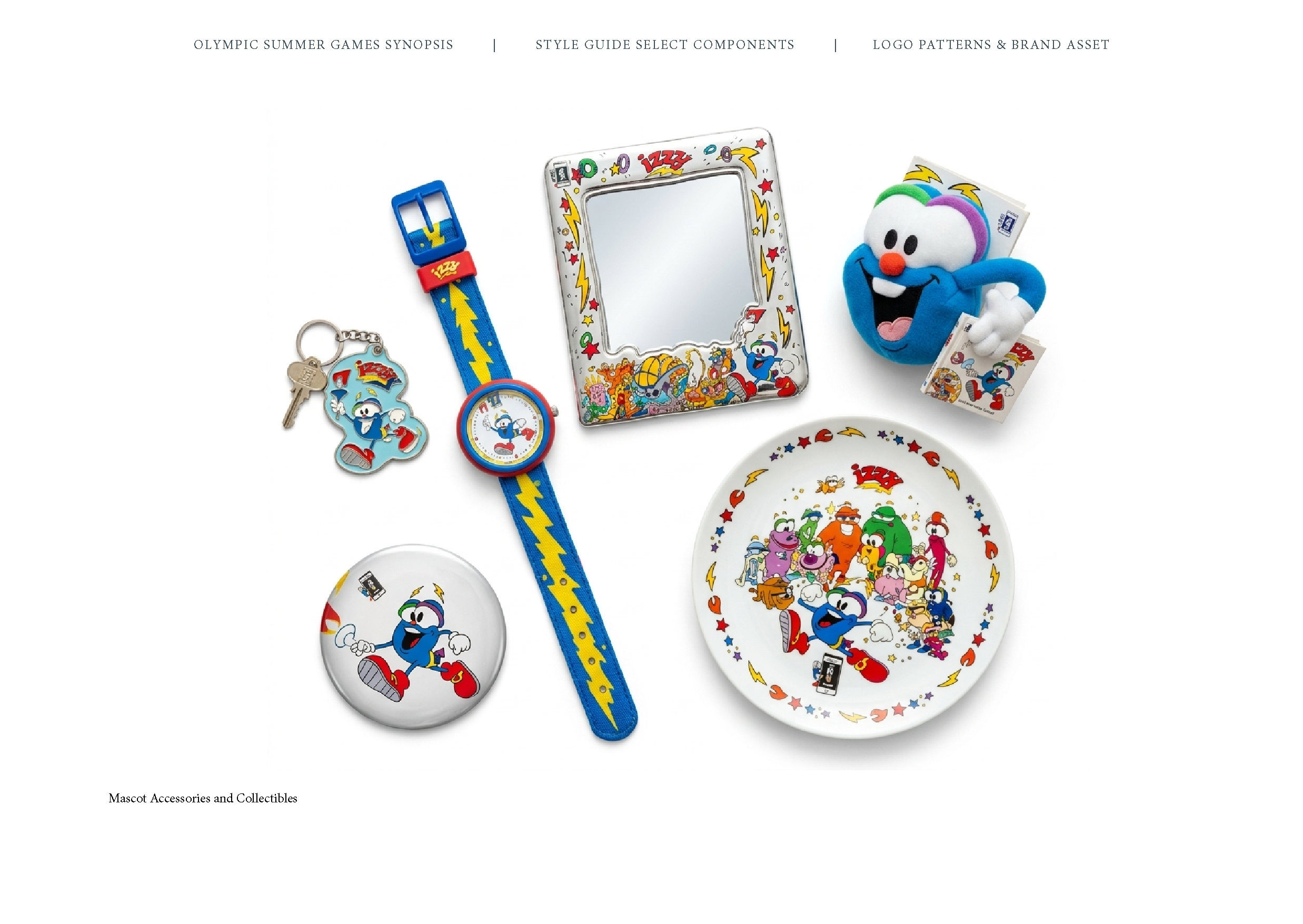
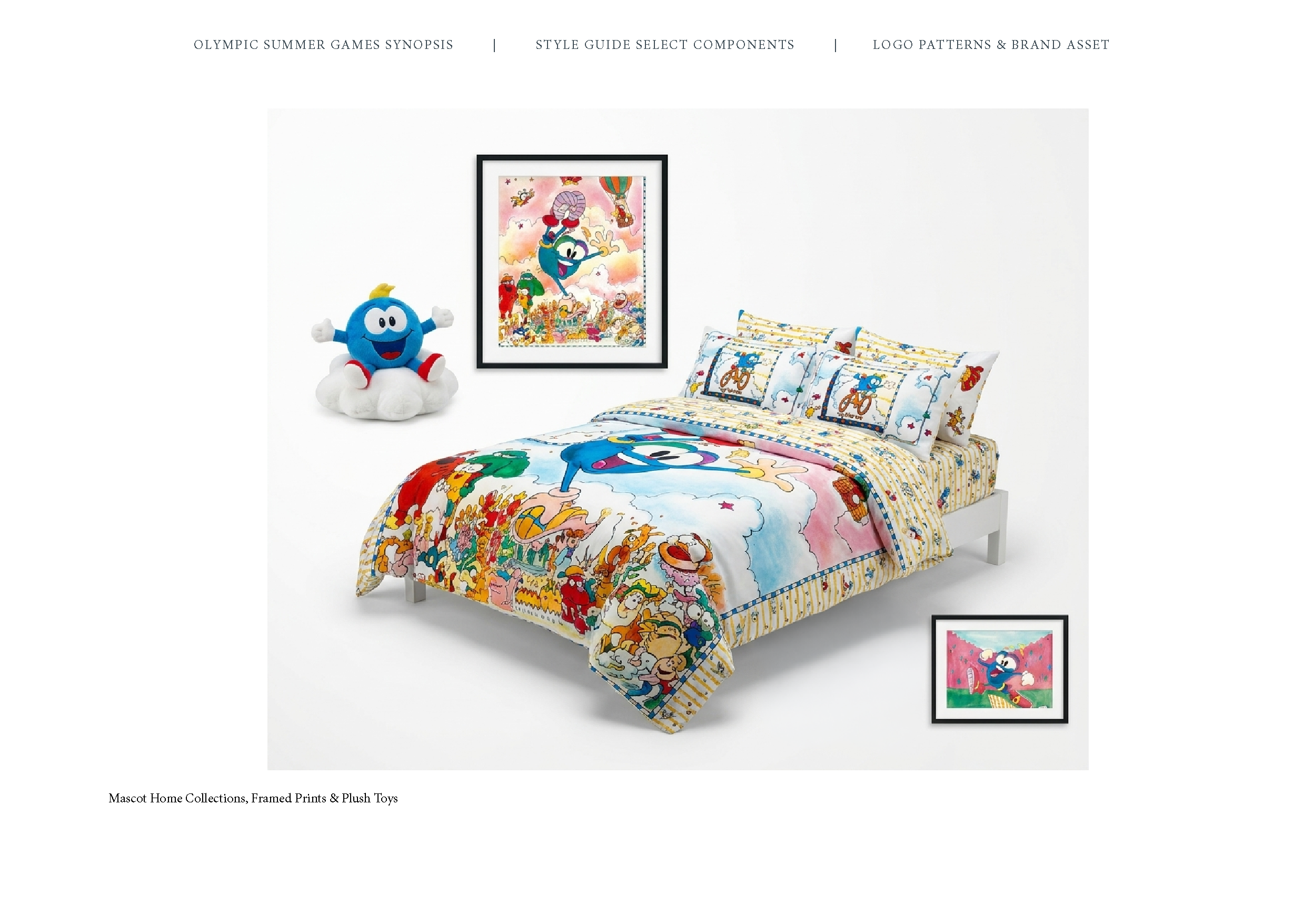
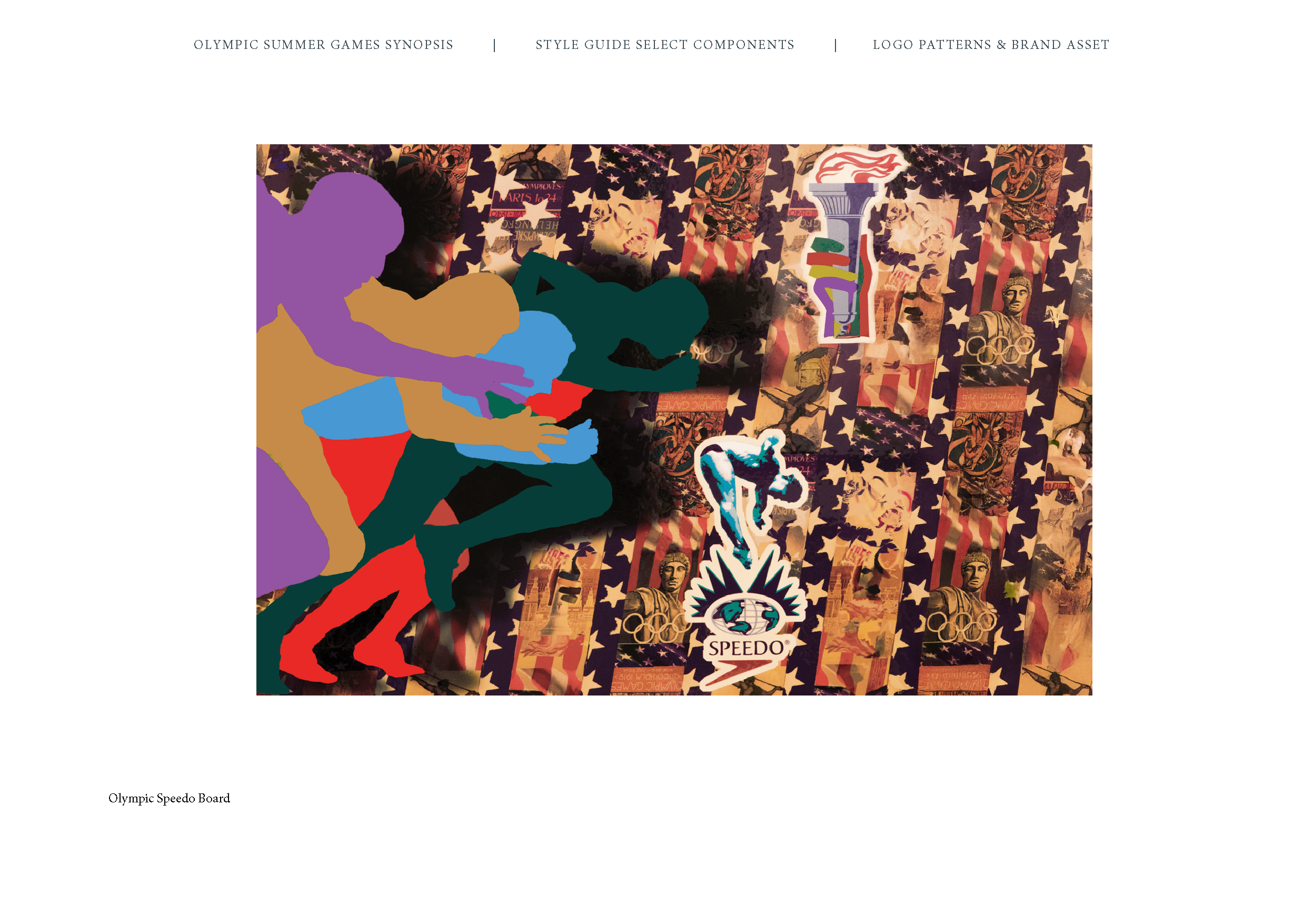
The 1996 Olympic visual identity operated as a fully integrated brand architecture spanning global licensing, retail, apparel, collectibles, and event environments. The Flame System and Izzy Mascot ecosystem worked in tandem to maintain visual coherence across thousands of products and hundreds of manufacturers. This program represents one of the earliest large‑scale demonstrations of modern brand governance: a unified system capable of adapting across categories, markets, and cultural contexts while preserving a singular, iconic identity.